Explore the Karo highlands
Mountains, lakes, waterfalls, traditional villages and fruit markets — places worth visiting in the Karo highlands, with a map.
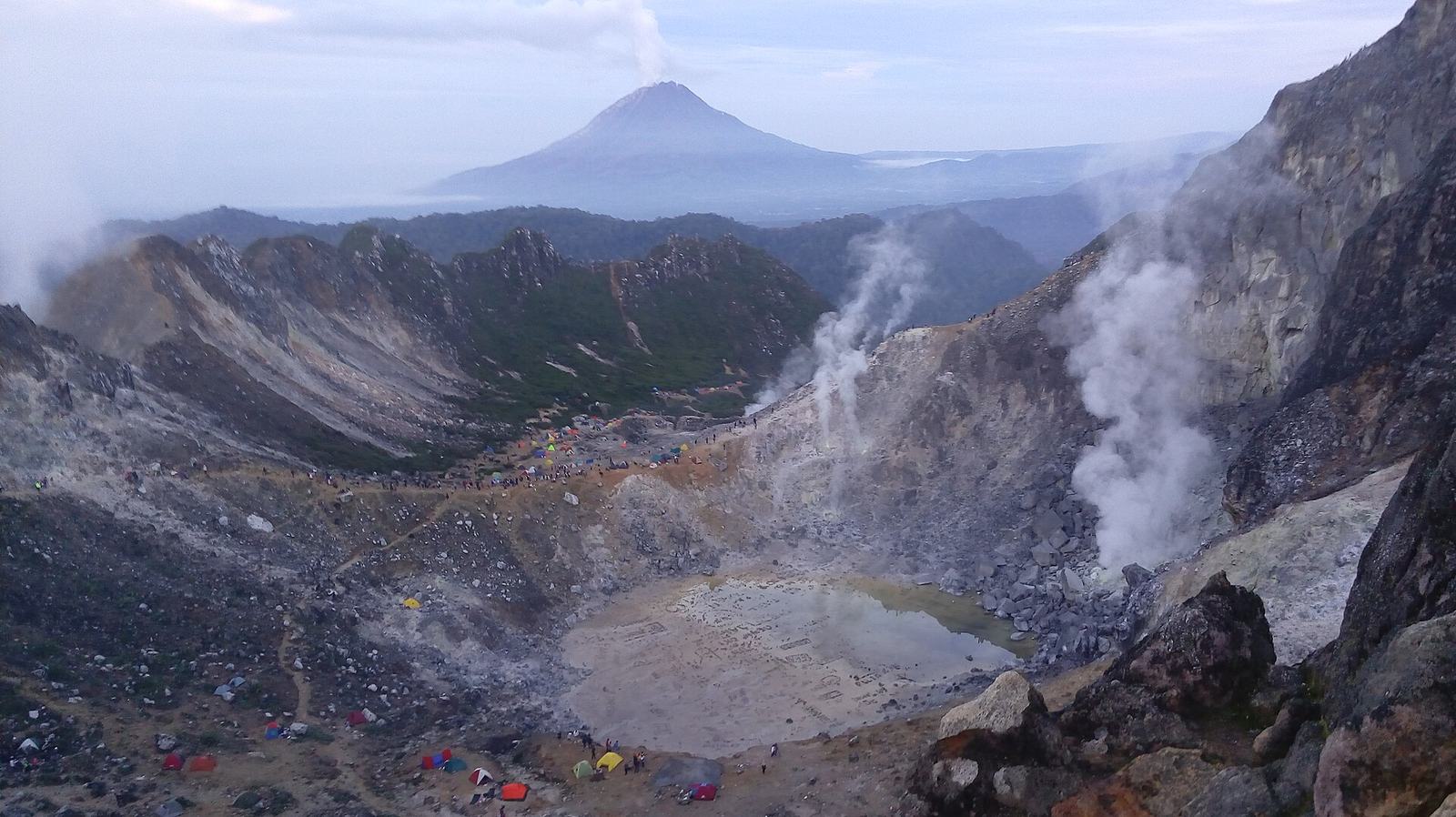 Foto: Palma Bernardo Alexius Hutabarat · Wikimedia Commons · CC BY 2.0 — kawah Sibayak dengan Sinabung
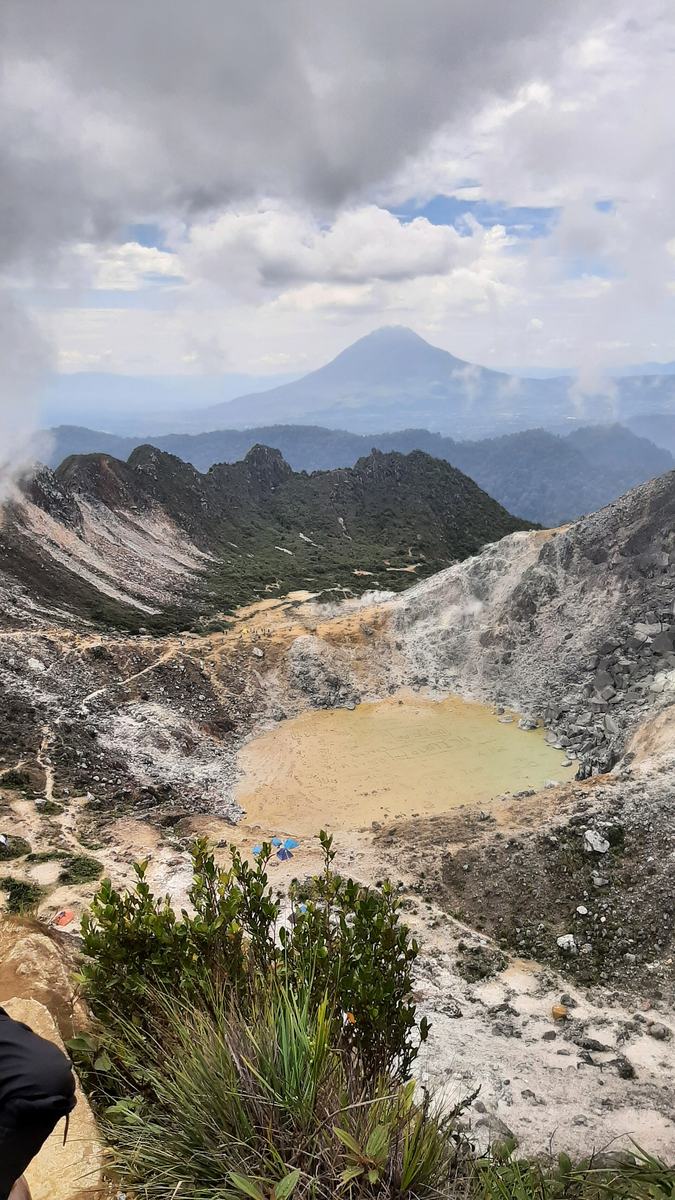 Foto: Ning Gusti · Wikimedia Commons · CC BY 4.0 — kawah dari puncak
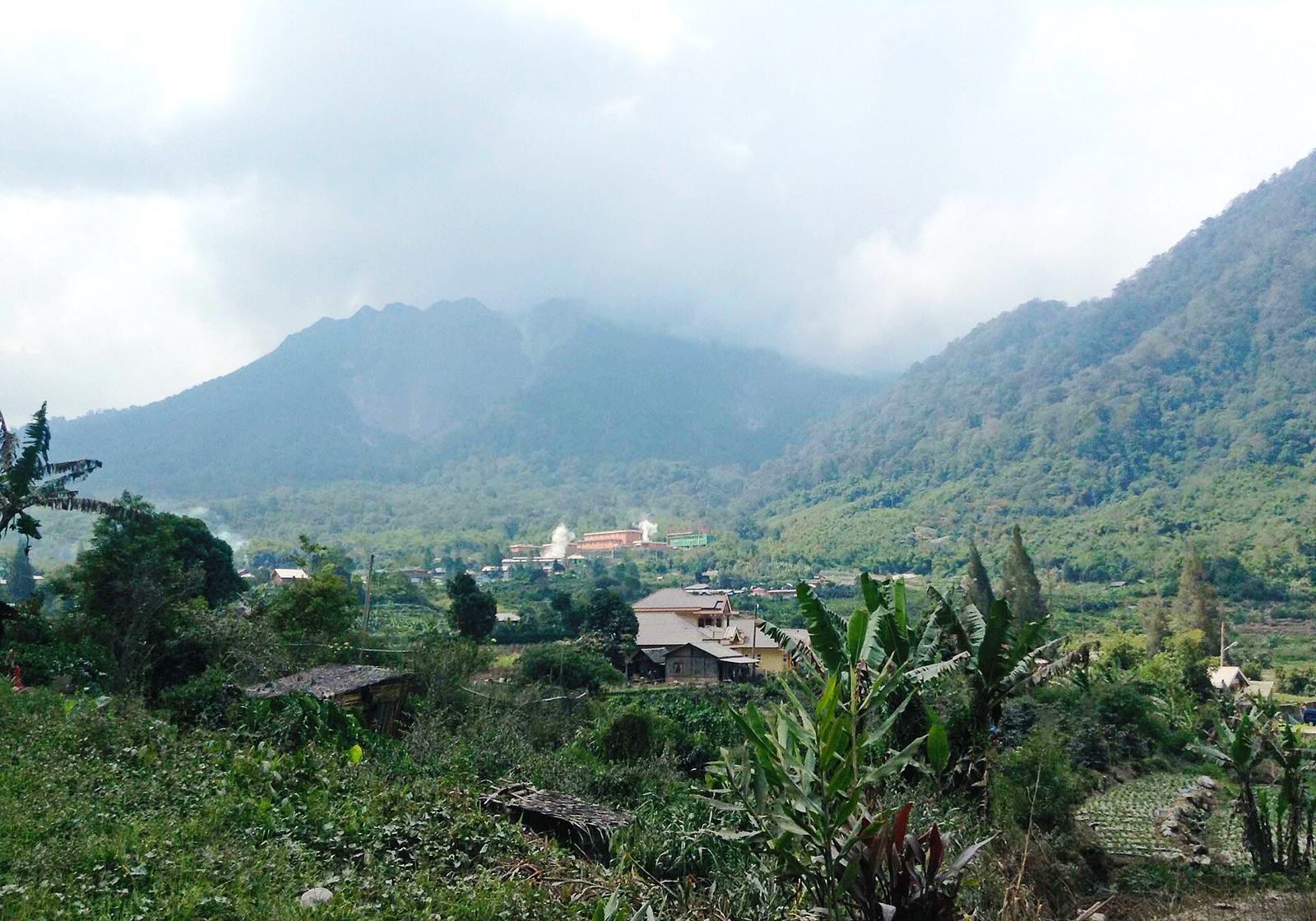 Foto: Christian Advs Sltg · Wikimedia Commons · CC BY-SA 4.0 — dari Semangat Gunung
Gunung Sibayak
📍 MerdekaA volcano of about 2,212 m north of Berastagi. Its Karo name means 'king', and the climb is one of the most beginner-friendly in North Sumatra.
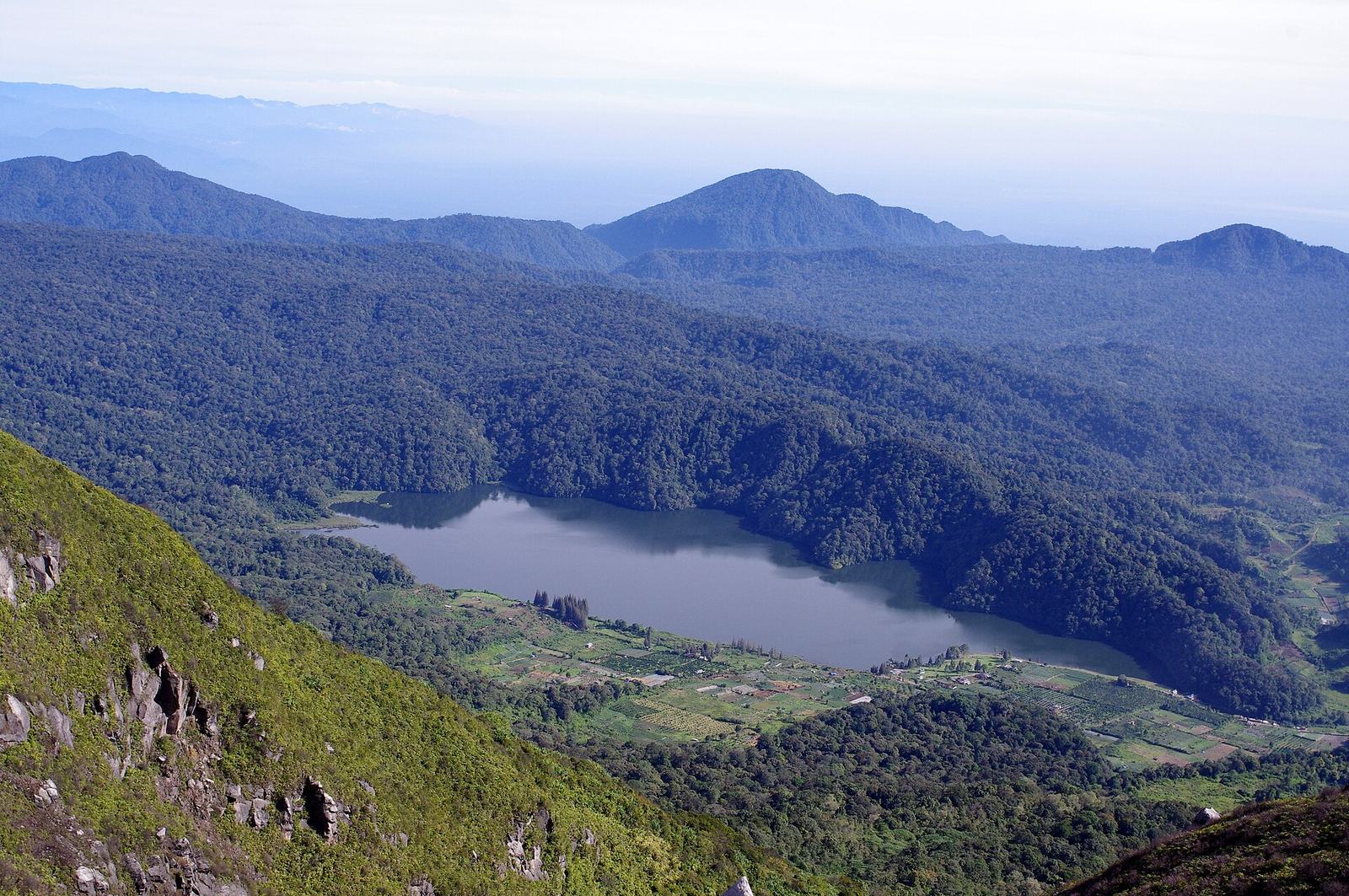 Foto: Bangbeni · Wikimedia Commons · CC BY 2.0
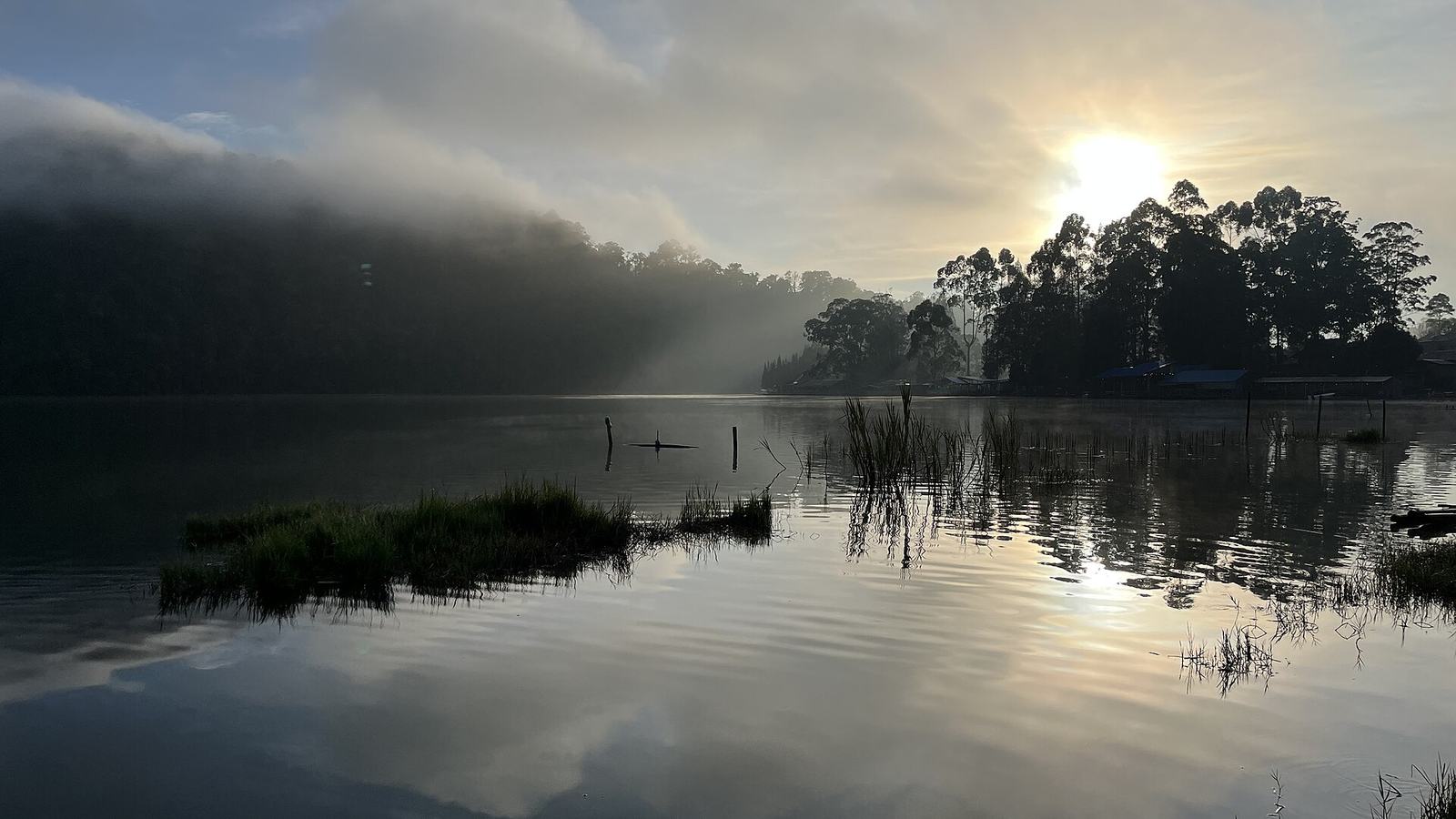 Foto: Nafisathallah · Wikimedia Commons · CC BY-SA 4.0 — matahari terbit
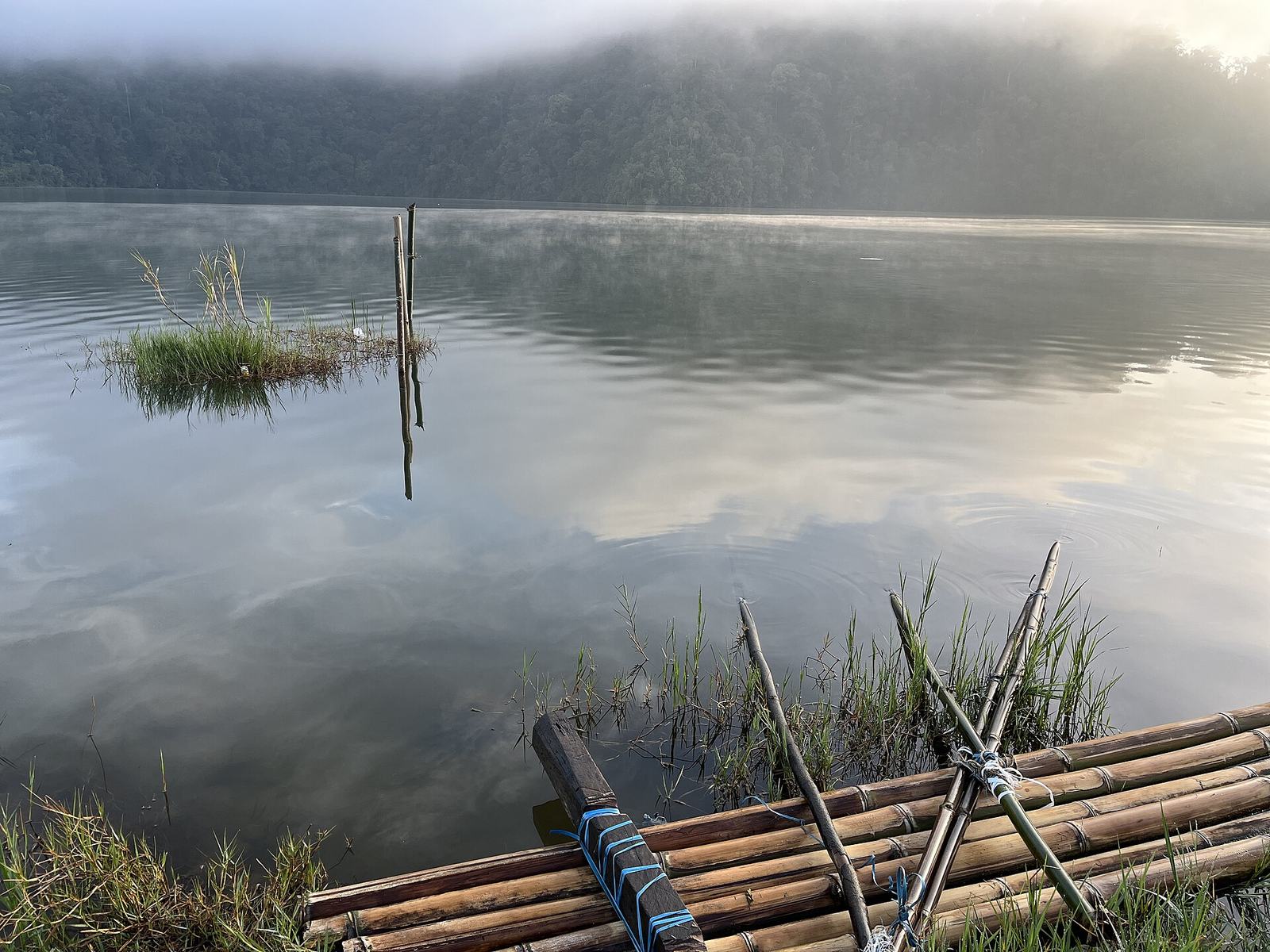 Foto: Nafisathallah · Wikimedia Commons · CC BY-SA 4.0 — rakit bambu
Danau Lau Kawar
📍 Naman TeranA mountain lake of about 200 hectares right at the northern foot of Mount Sinabung. Calm water, surrounding forest and the volcano behind make it a favourite camping spot.
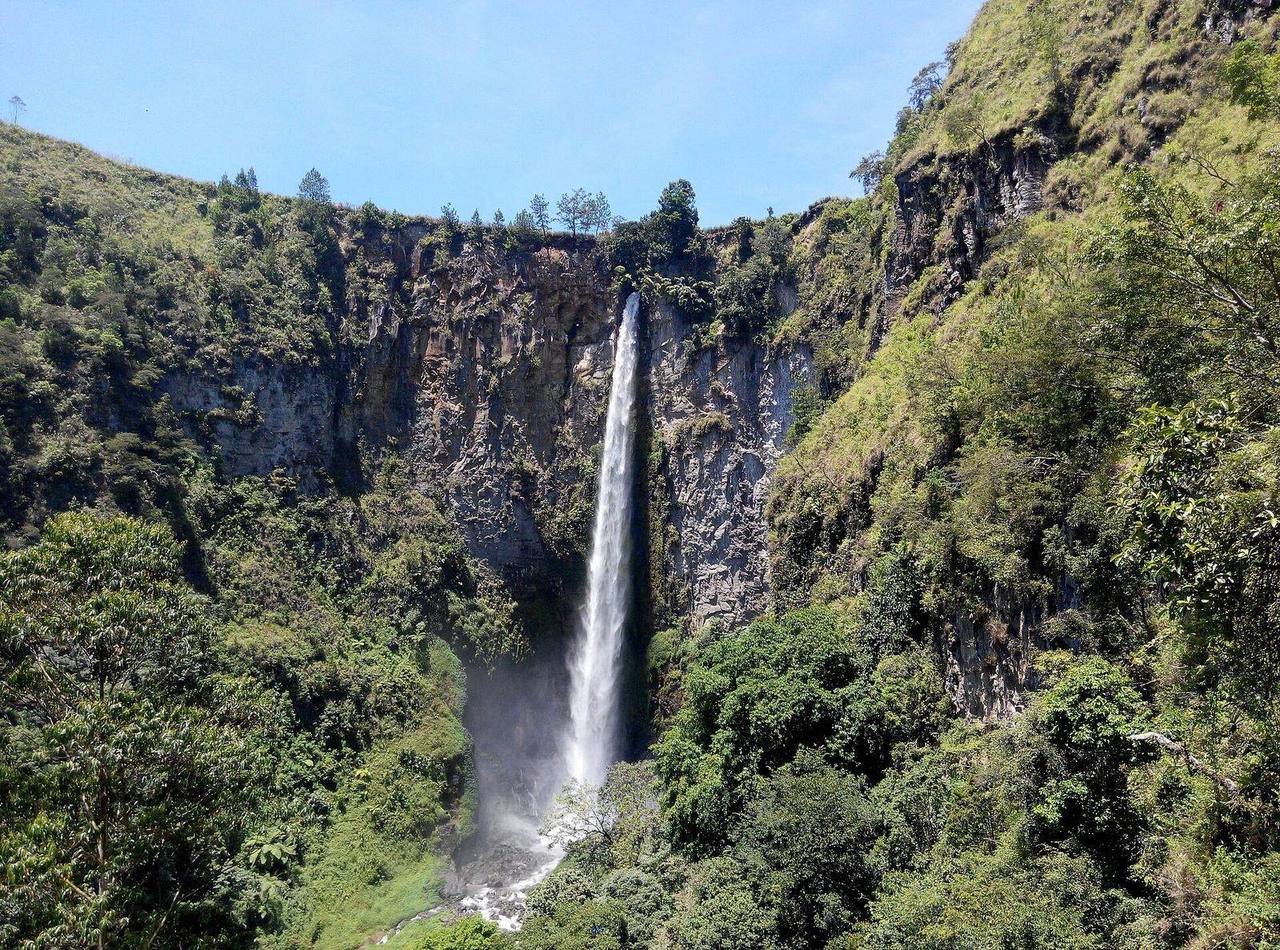 Foto: Hendypernando · Wikimedia Commons · CC BY-SA 4.0
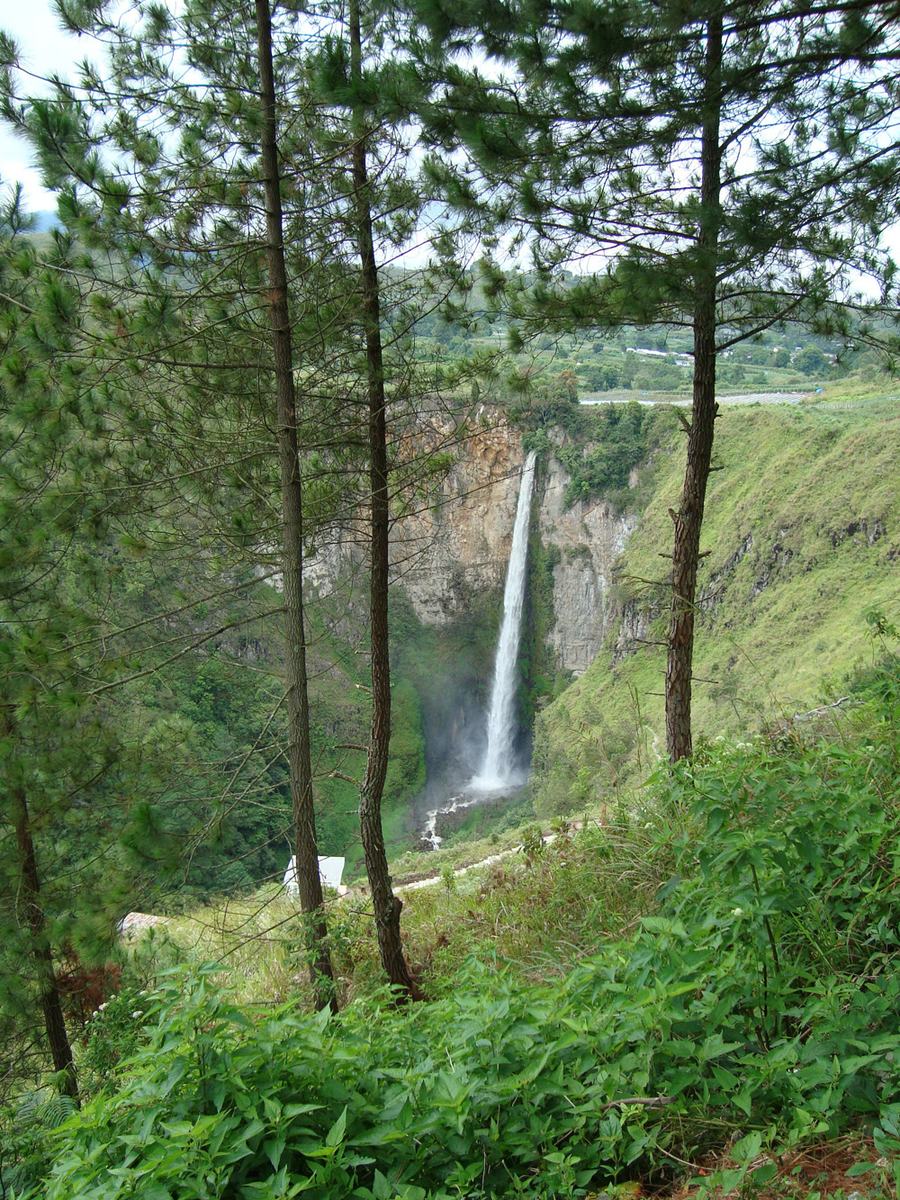 Foto: edowardomd · Wikimedia Commons · CC BY-SA 3.0
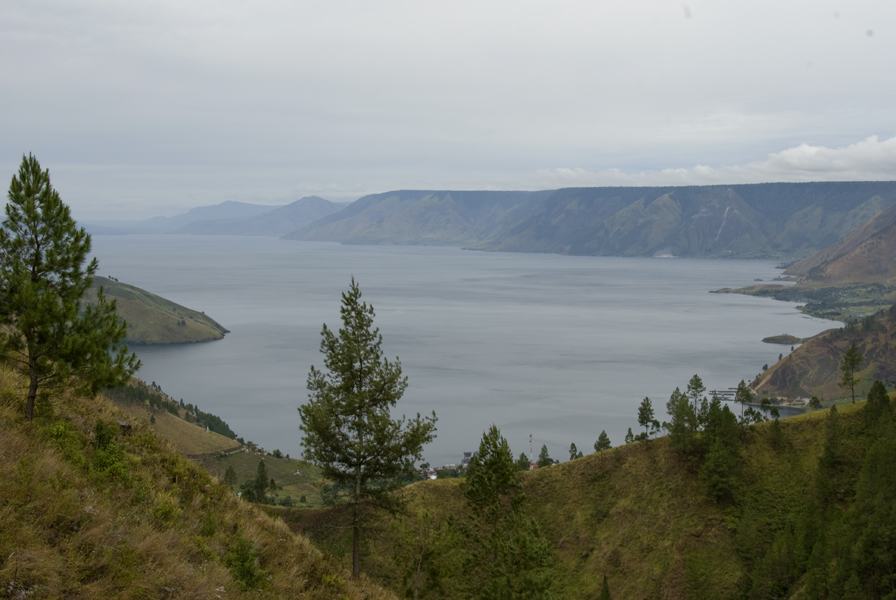 Foto: Yorick · Wikimedia Commons · domain publik — pemandangan Danau Toba
Air Terjun Sipiso-piso
📍 MerekA waterfall about 120 m high dropping from the Karo plateau into the valley at the northern tip of Lake Toba. The viewpoint shows the falls, Lake Toba and Tongging village.
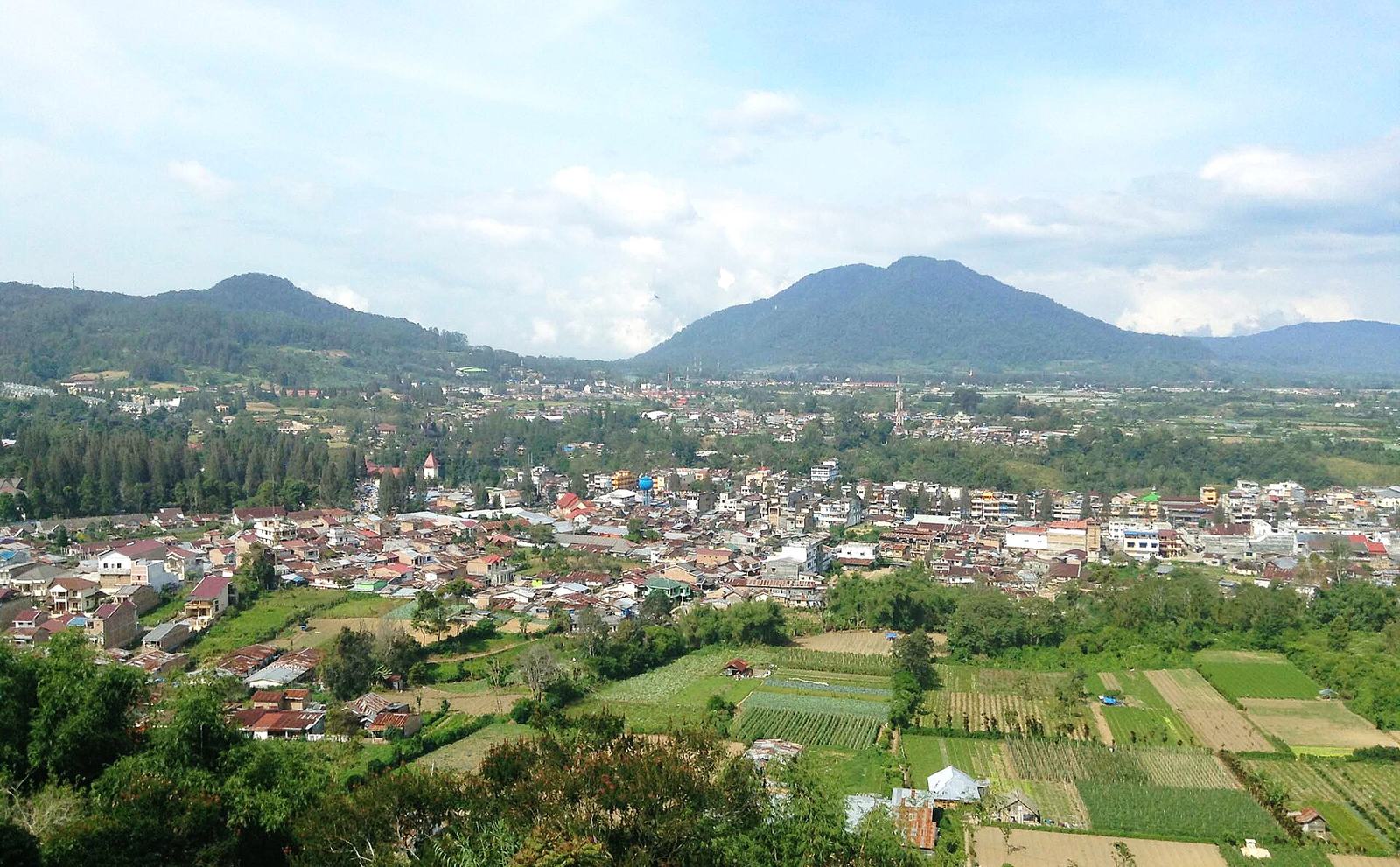 Foto: Christian Advs Sltg · Wikimedia Commons · CC BY-SA 4.0
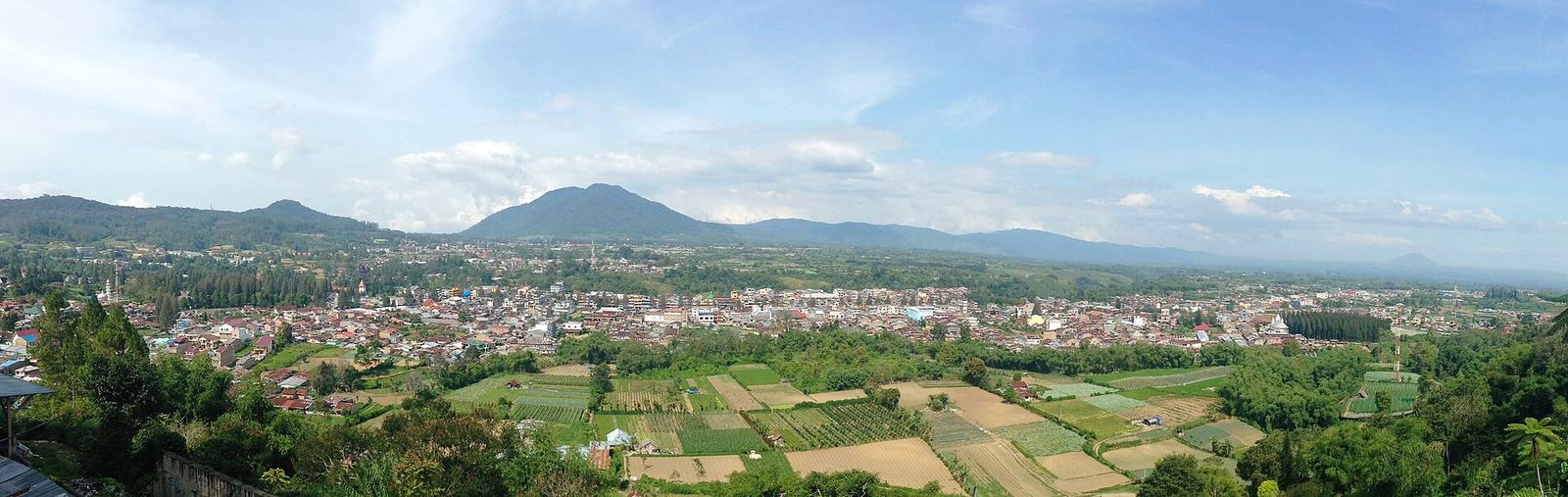 Foto: Christian Advs Sltg · Wikimedia Commons · CC BY-SA 4.0 — panorama
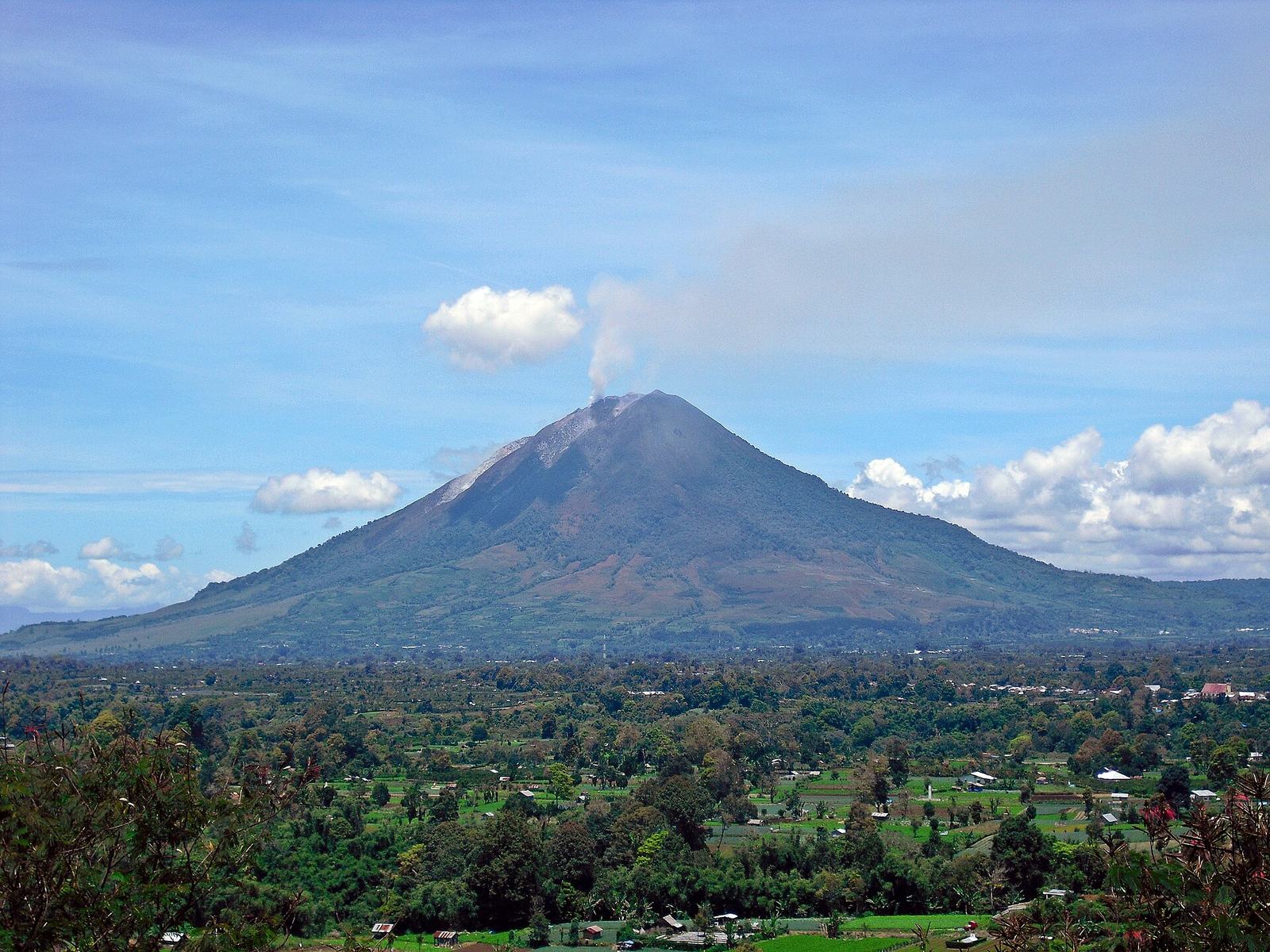 Foto: Kenrick95 · Wikimedia Commons · CC BY-SA 3.0 — Sinabung dari Gundaling, 2010
Bukit Gundaling
📍 BerastagiA park hill on the edge of Berastagi at about 1,575 m, with views over the town and the Sibayak and Sinabung volcanoes behind.
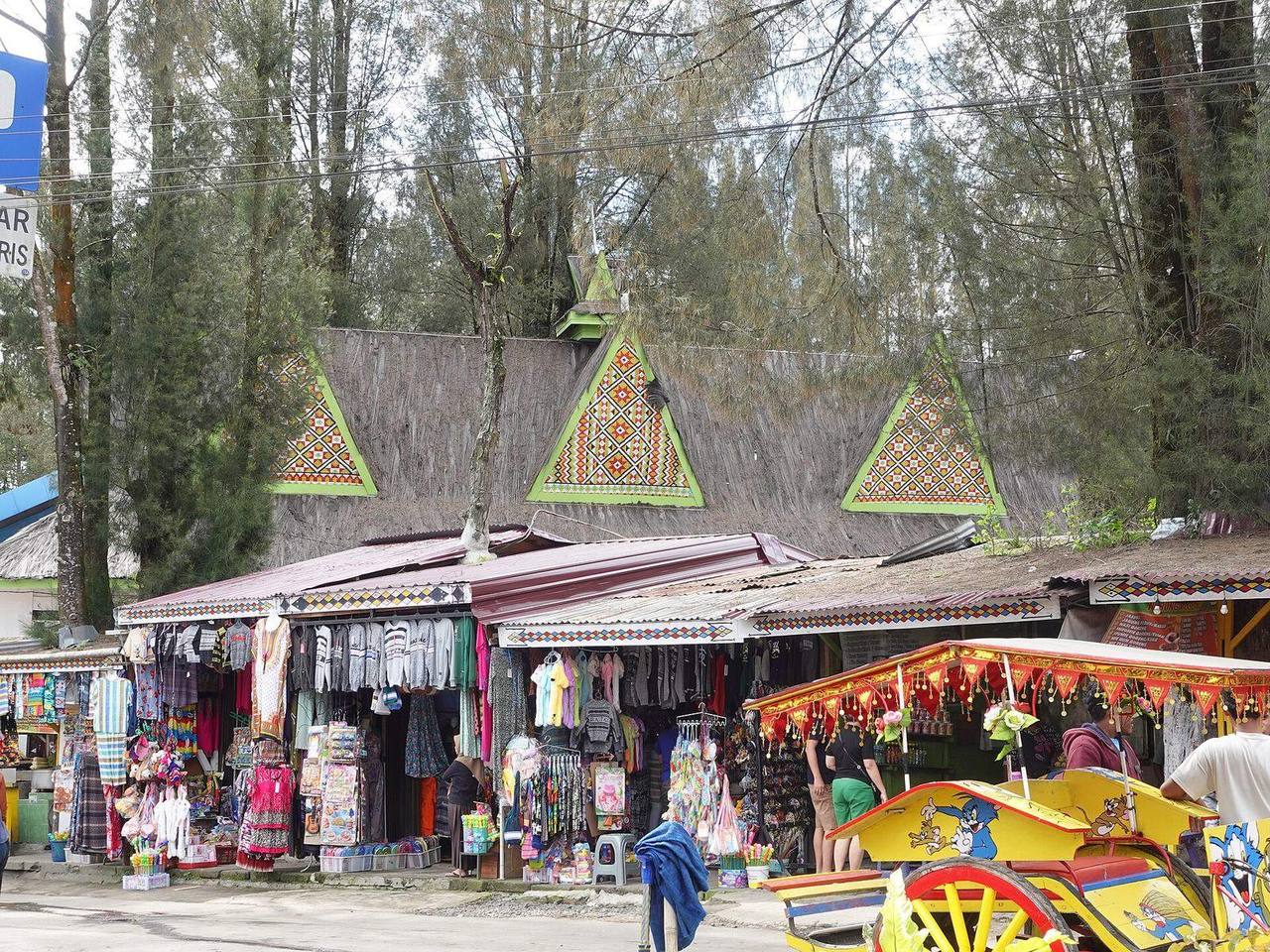 Foto: Astari28 · Wikimedia Commons · CC BY-SA 4.0
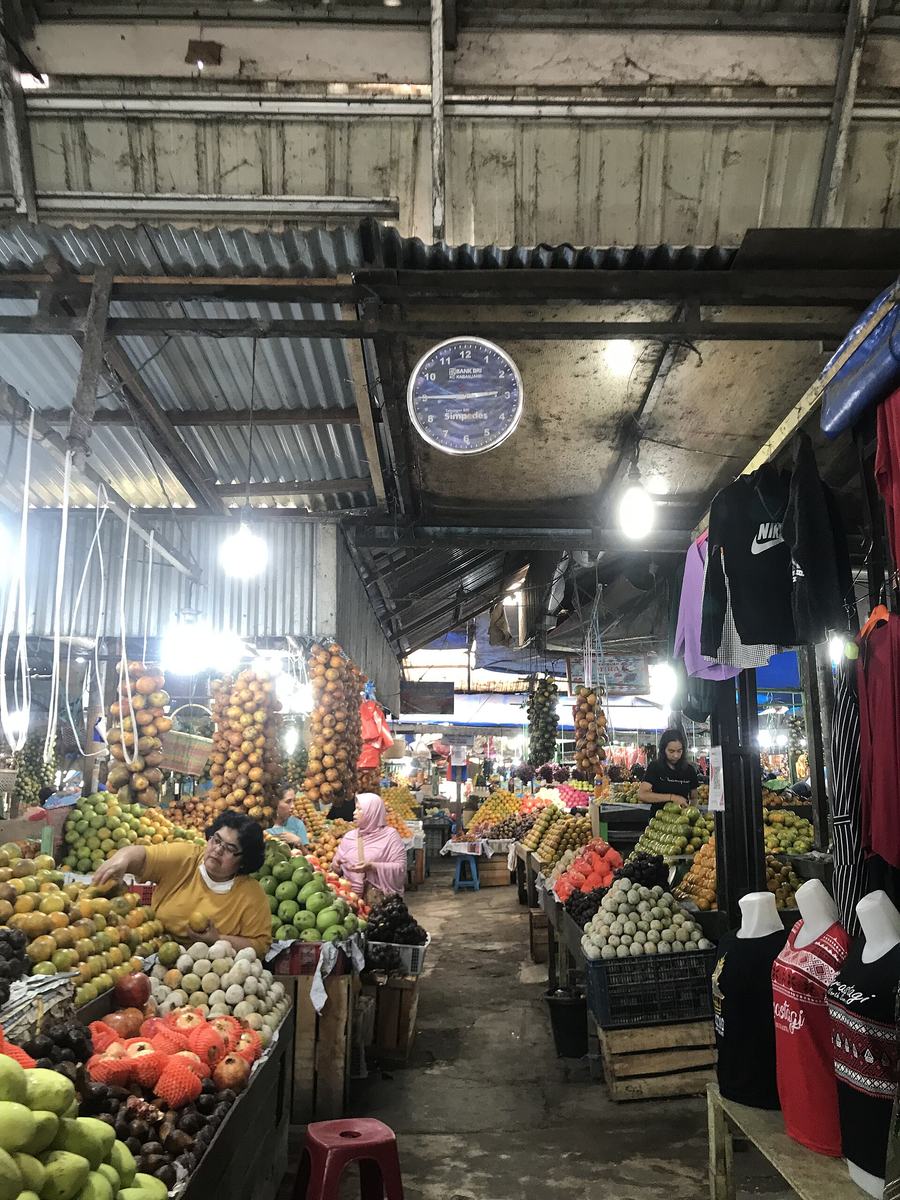 Foto: Lim Natee · Wikimedia Commons · CC BY-SA 4.0
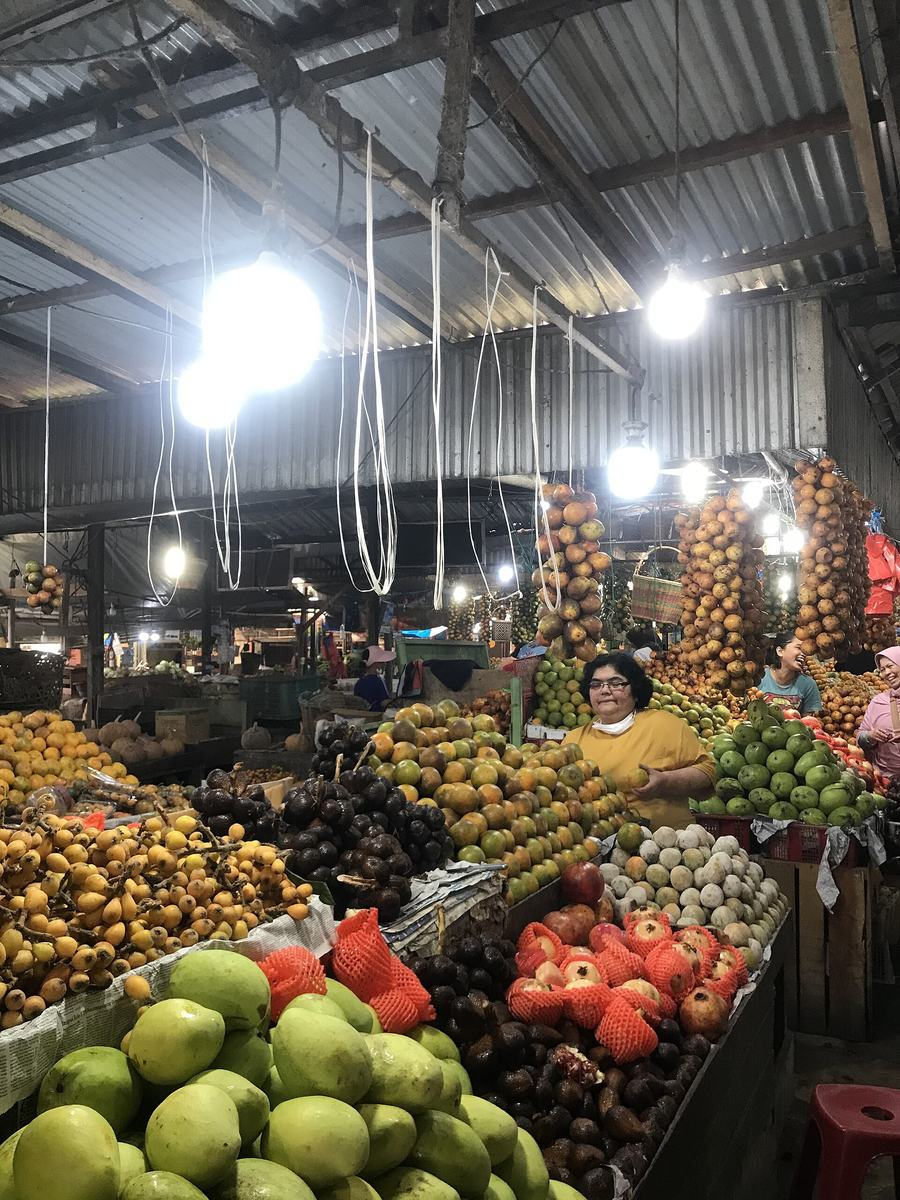 Foto: Lim Natee · Wikimedia Commons · CC BY-SA 4.0
Pasar Buah Berastagi
📍 BerastagiA market on Jalan Gundaling selling produce from the Karo highlands: oranges, passion fruit, strawberries, avocados and fresh vegetables.
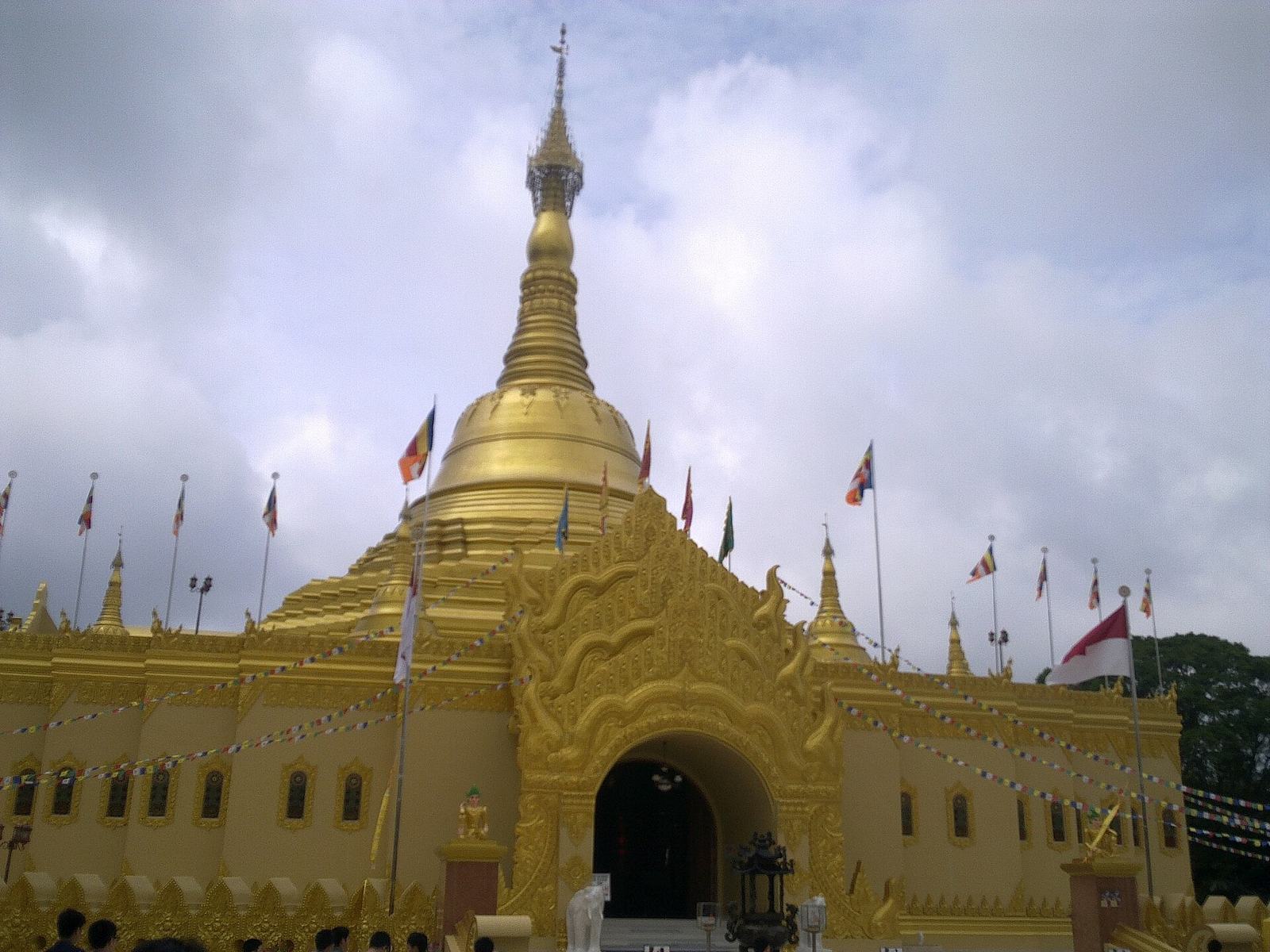 Foto: Kenrick · Wikimedia Commons · CC BY-SA 3.0
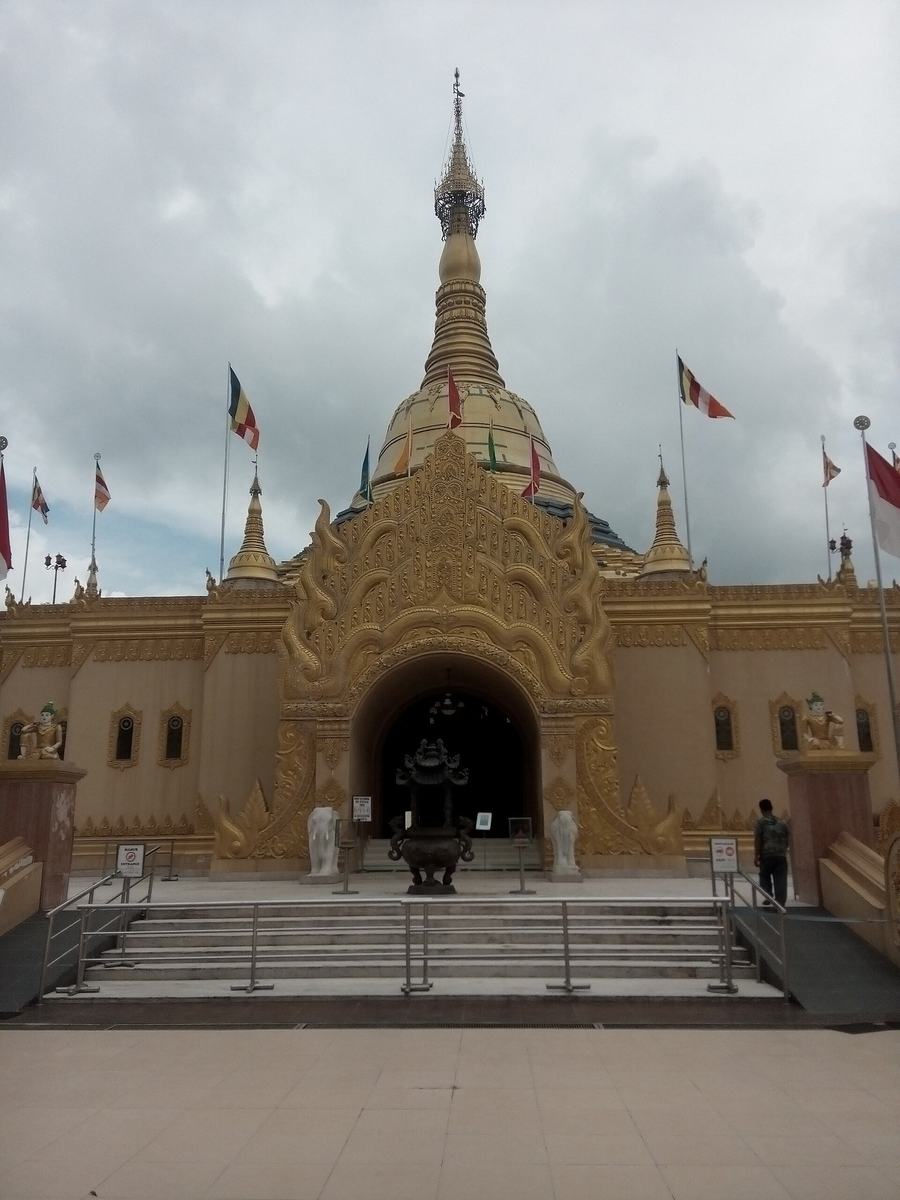 Foto: Adhmi · Wikimedia Commons · CC BY-SA 4.0
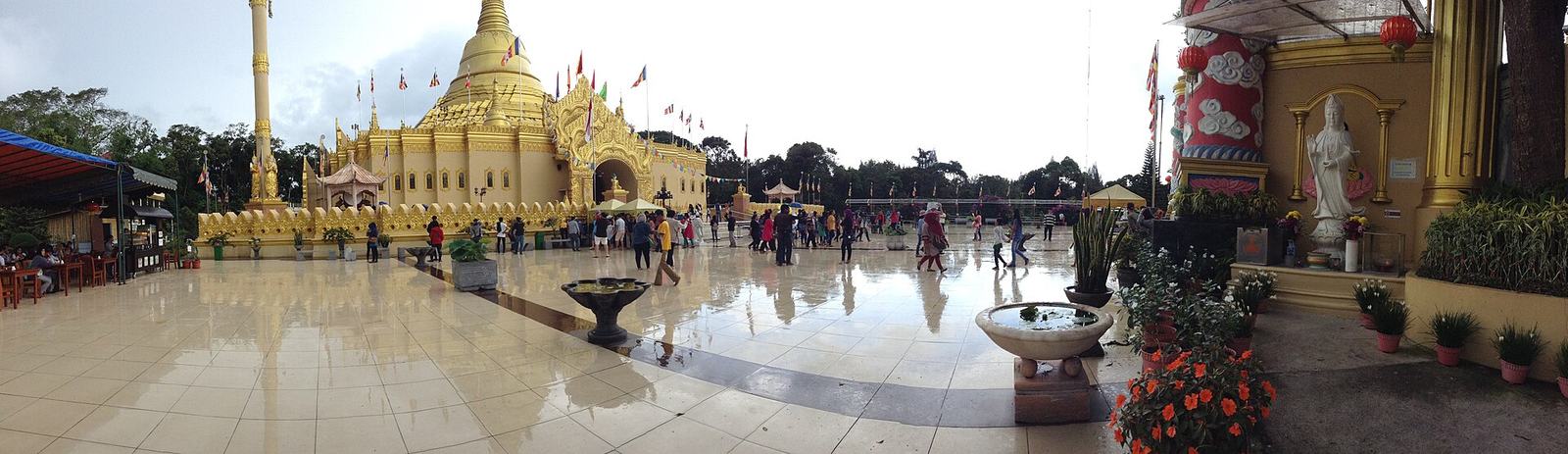 Foto: padlifadly · Wikimedia Commons · CC BY-SA 3.0 — panorama
Taman Alam Lumbini
📍 Dolat RayatA Buddhist temple complex at the foot of Mount Sibayak with a golden pagoda modelled on Myanmar's Shwedagon Pagoda; open to visitors.
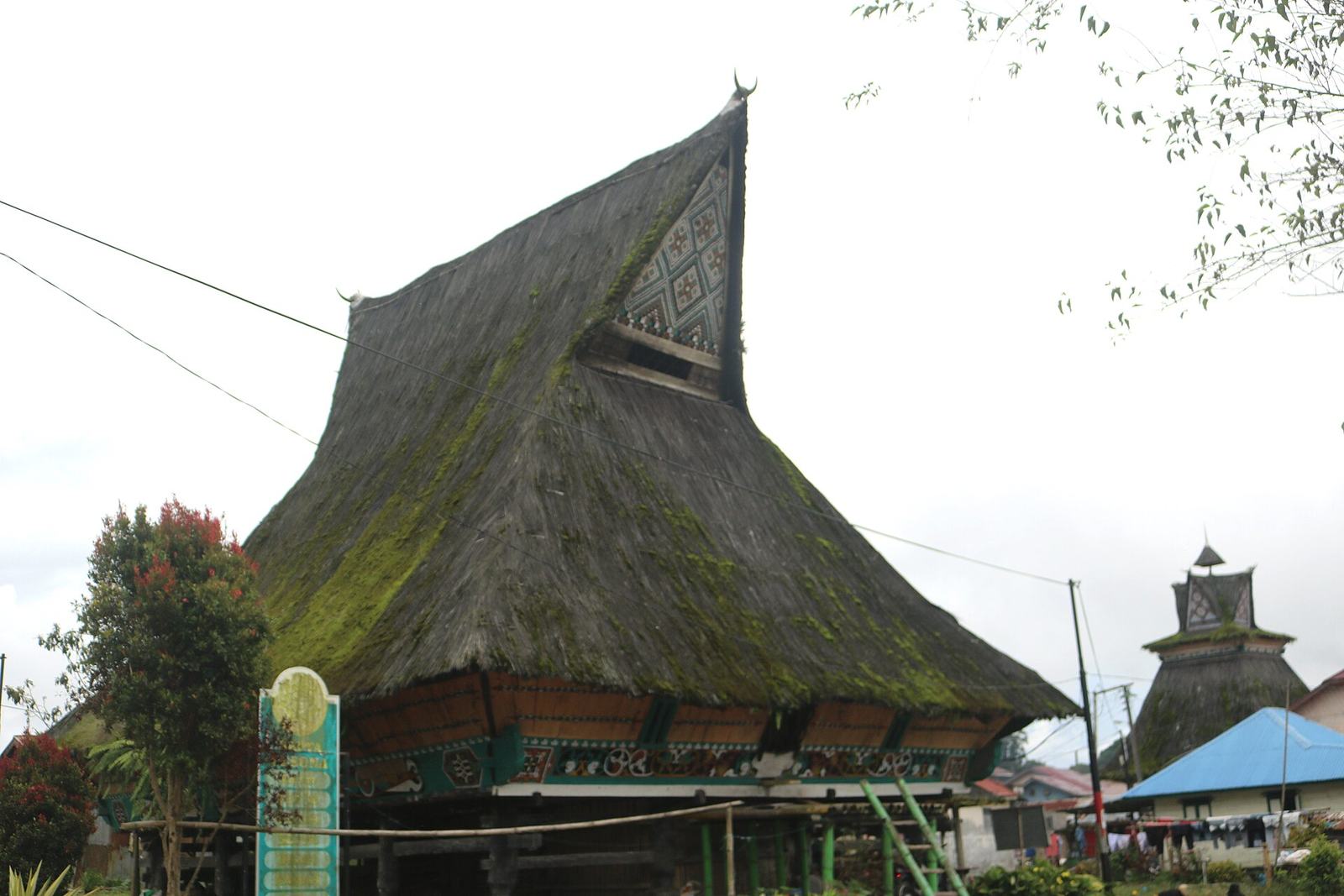 Foto: Agus Damanik · Wikimedia Commons · CC BY-SA 4.0
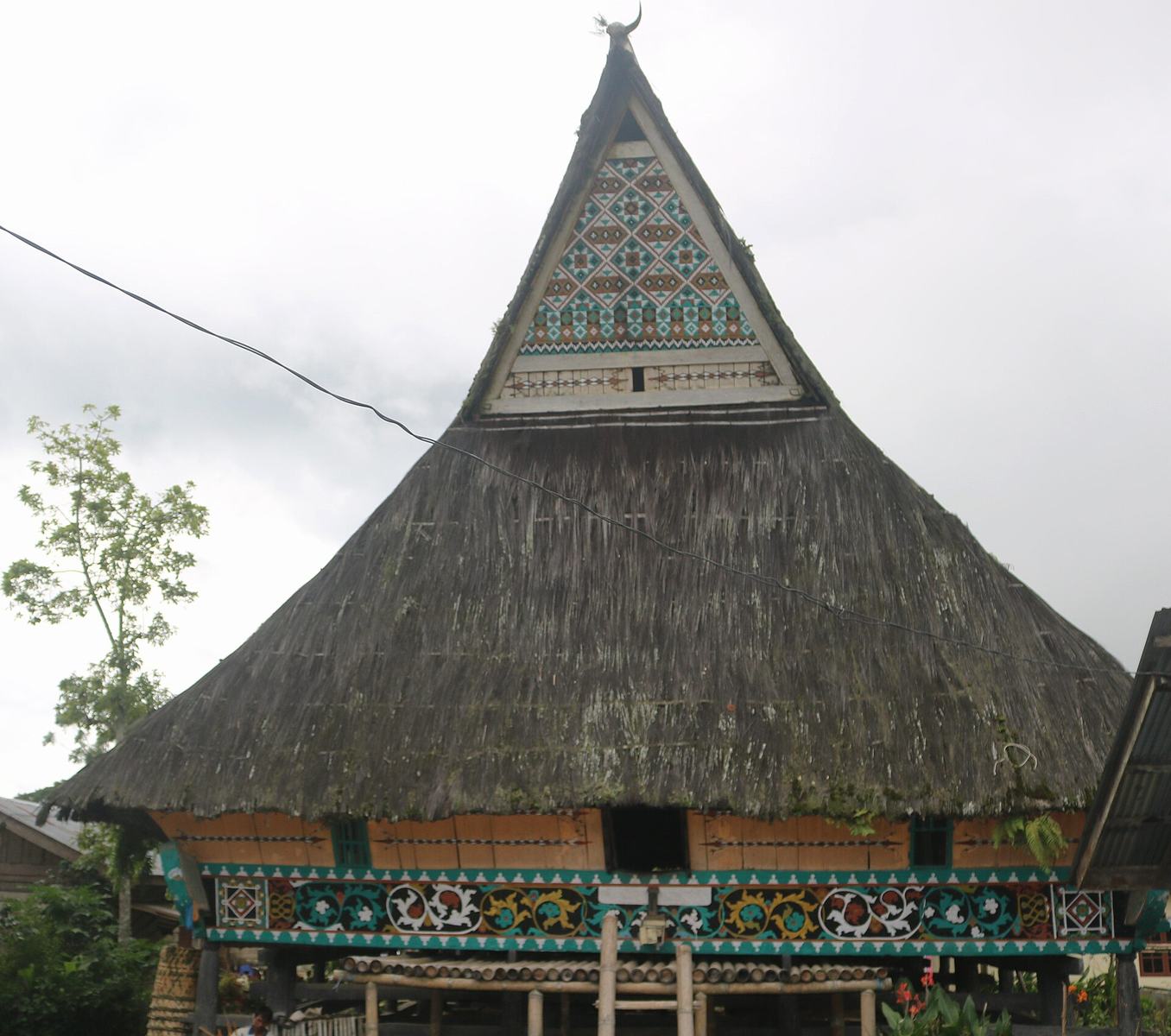 Foto: Agus Damanik · Wikimedia Commons · CC BY-SA 4.0
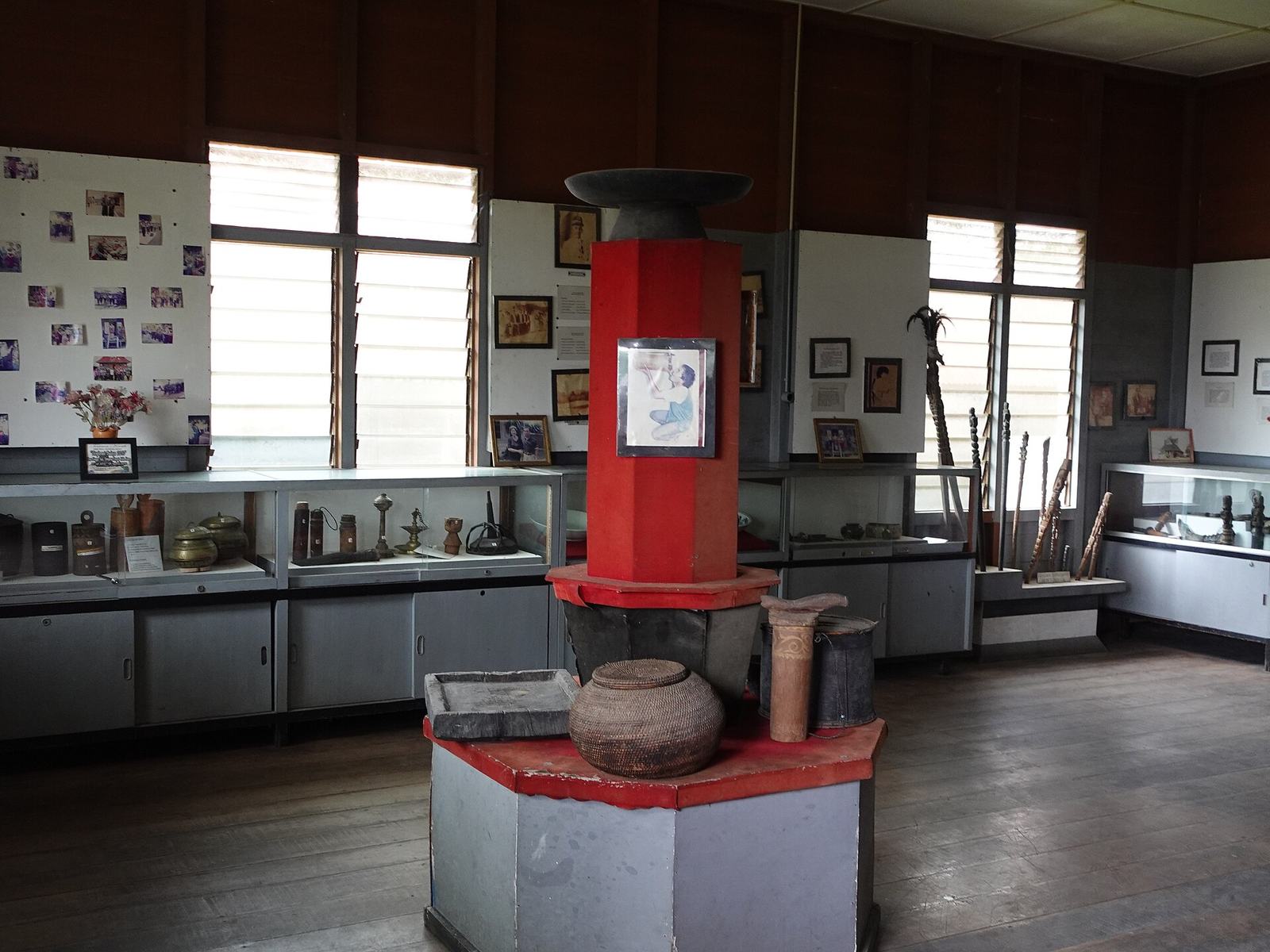 Foto: HaidirAndiNovianto · Wikimedia Commons · CC BY-SA 4.0 — Museum Karo Lingga
Desa Budaya Lingga
📍 Simpang EmpatA traditional village at about 1,200 m with Siwaluh Jabu houses more than 250 years old — one of the best places to see Karo architecture and traditional life.
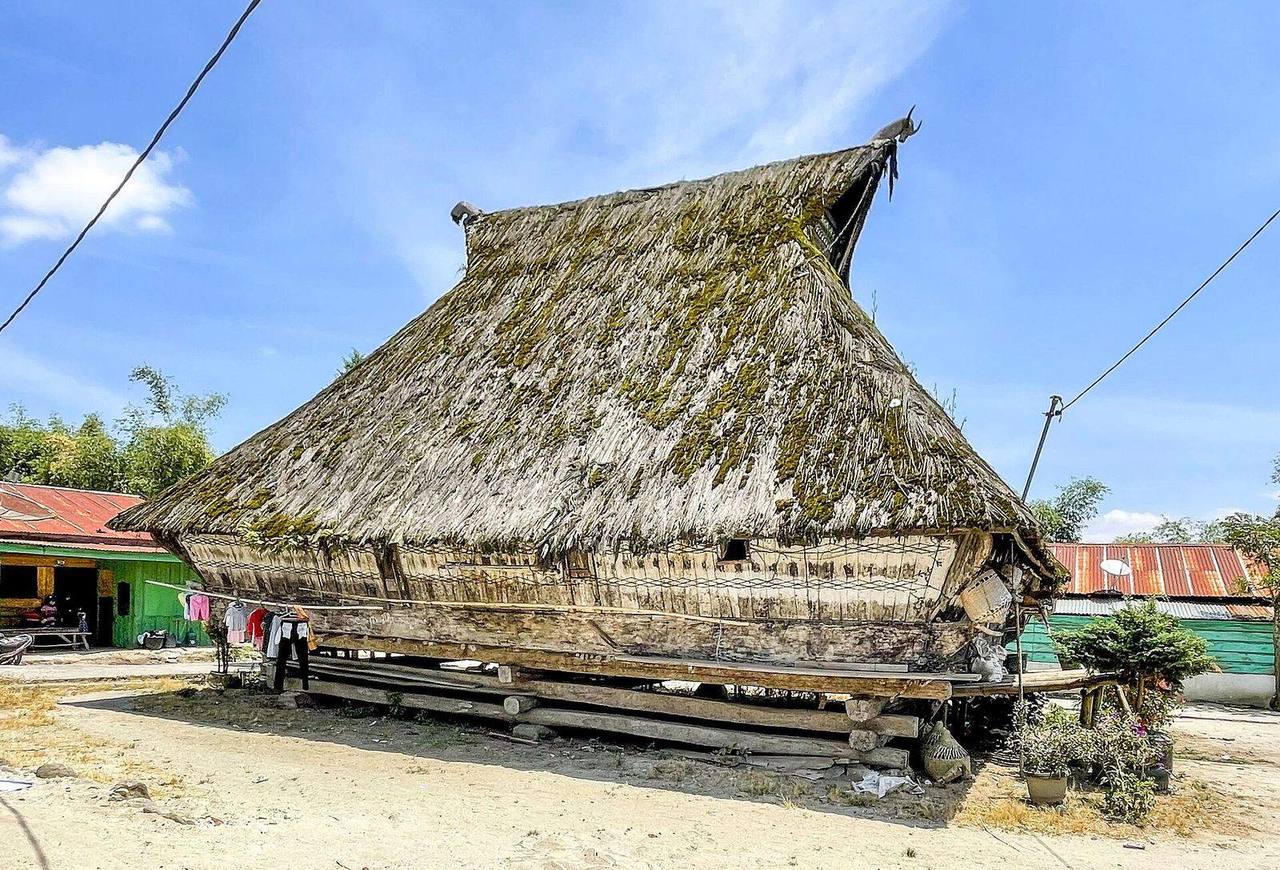 Foto: Christian Advs Sltg · Wikimedia Commons · CC BY-SA 4.0
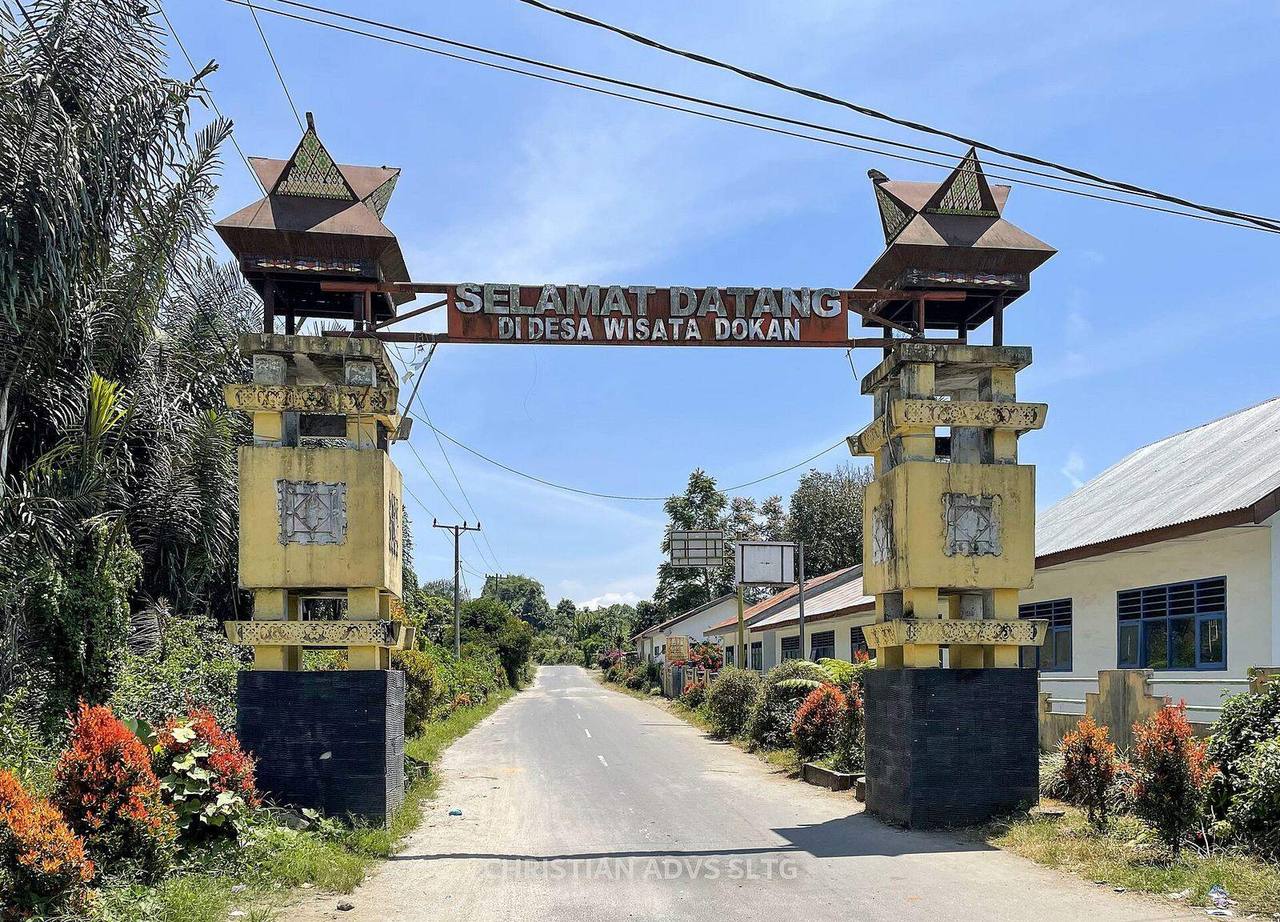 Foto: Christian Advs Sltg · Wikimedia Commons · CC BY-SA 4.0 — gerbang desa
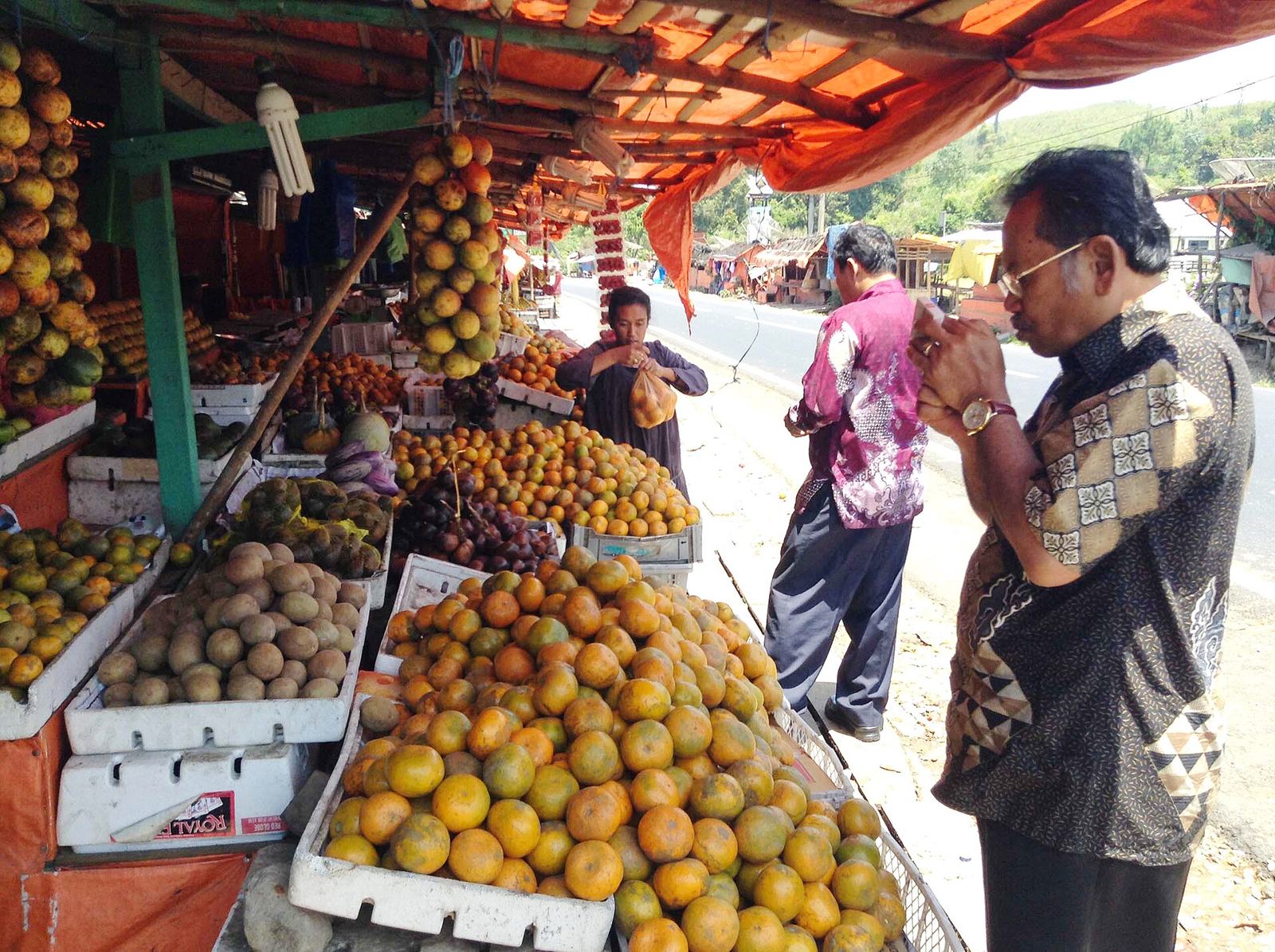 Foto: Christian Advs Sltg · Wikimedia Commons · CC BY-SA 4.0 — pasar buah
Desa Budaya Dokan
📍 MerekA village in Merek district with Karo houses over a century old, on the route between Berastagi and Lake Toba.
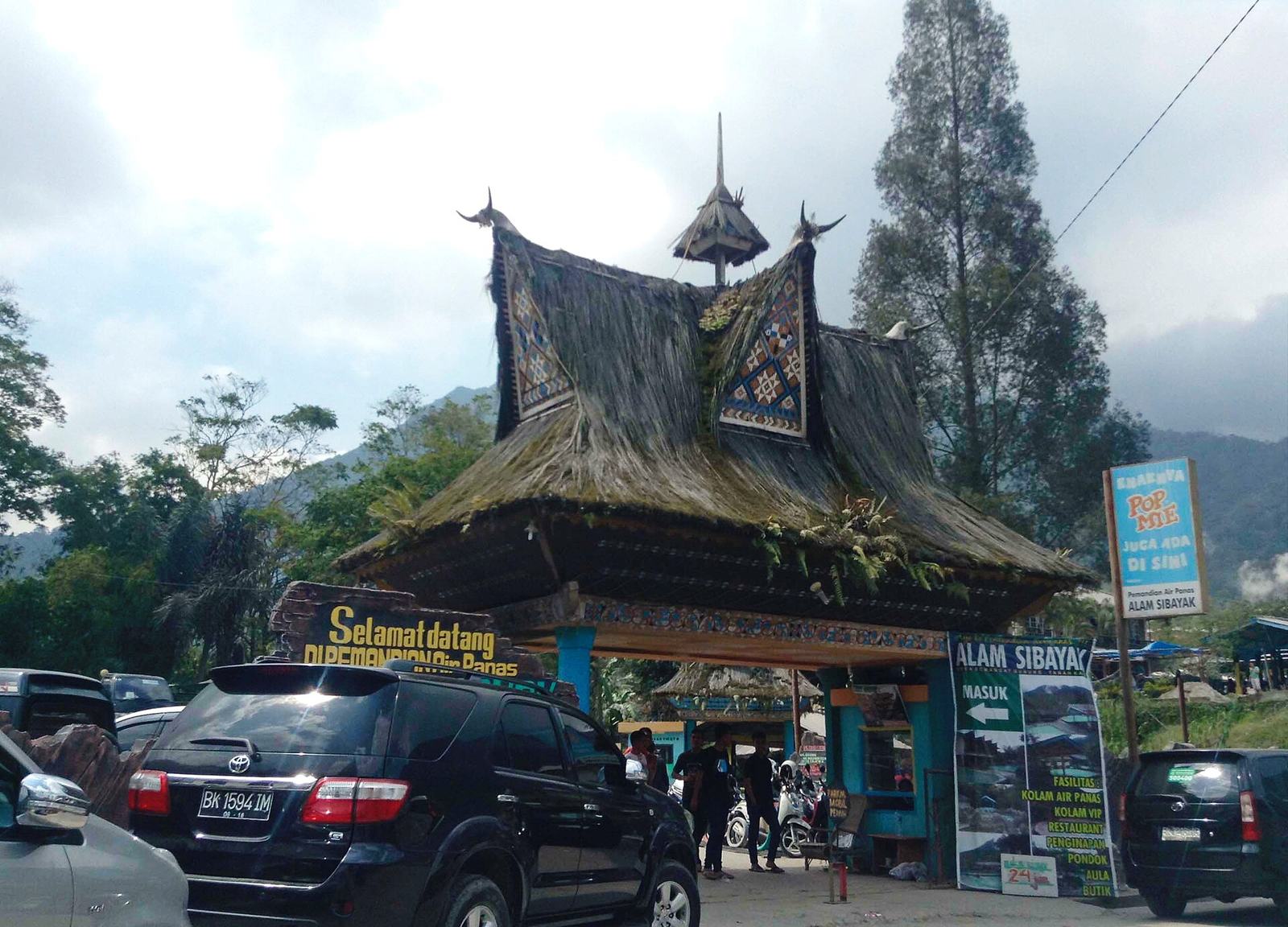 Foto: Christian Advs Sltg · Wikimedia Commons · CC BY-SA 4.0
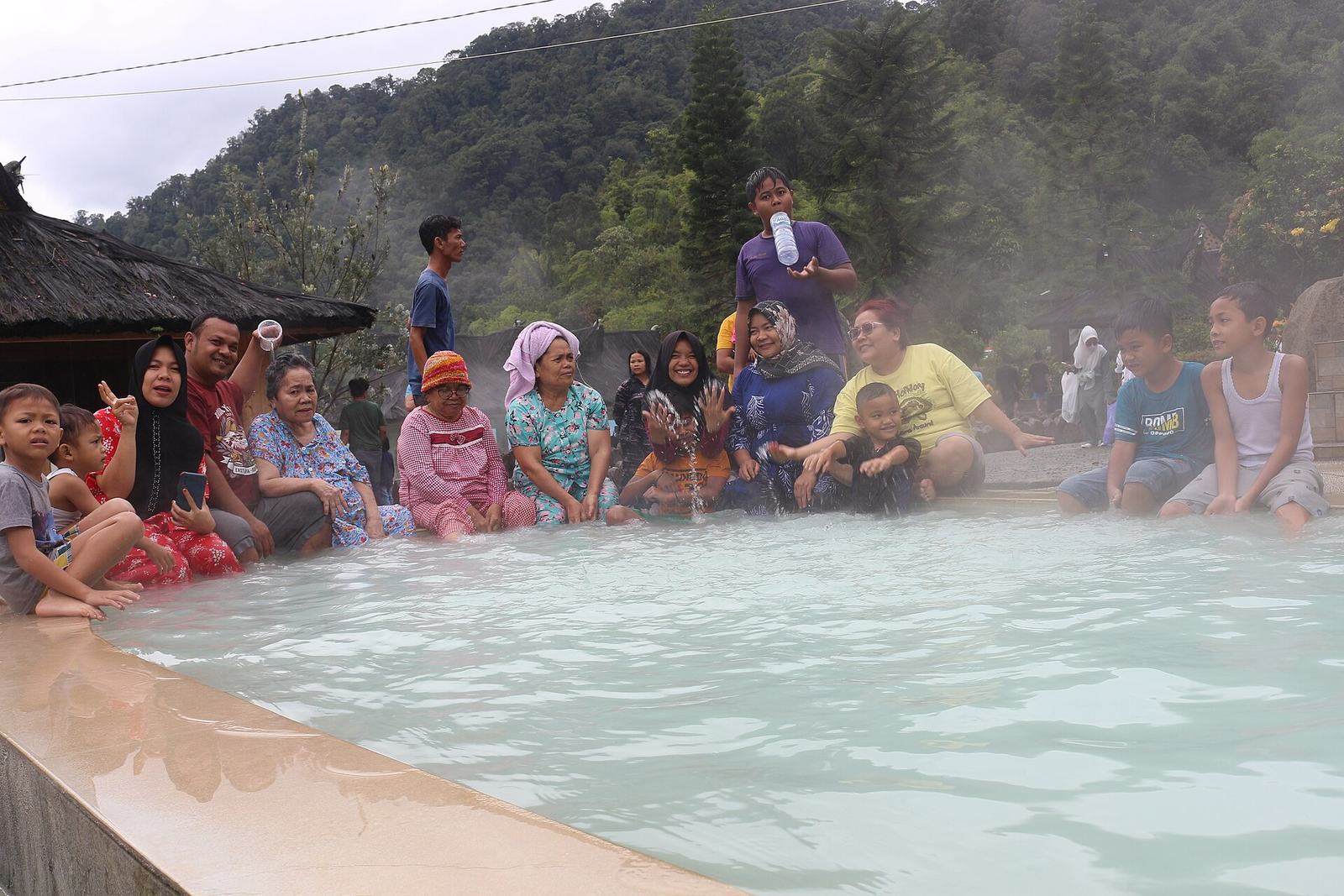 Foto: Mulai Adil Saragih · Wikimedia Commons · CC BY-SA 4.0 — Lau Sidebuk-debuk
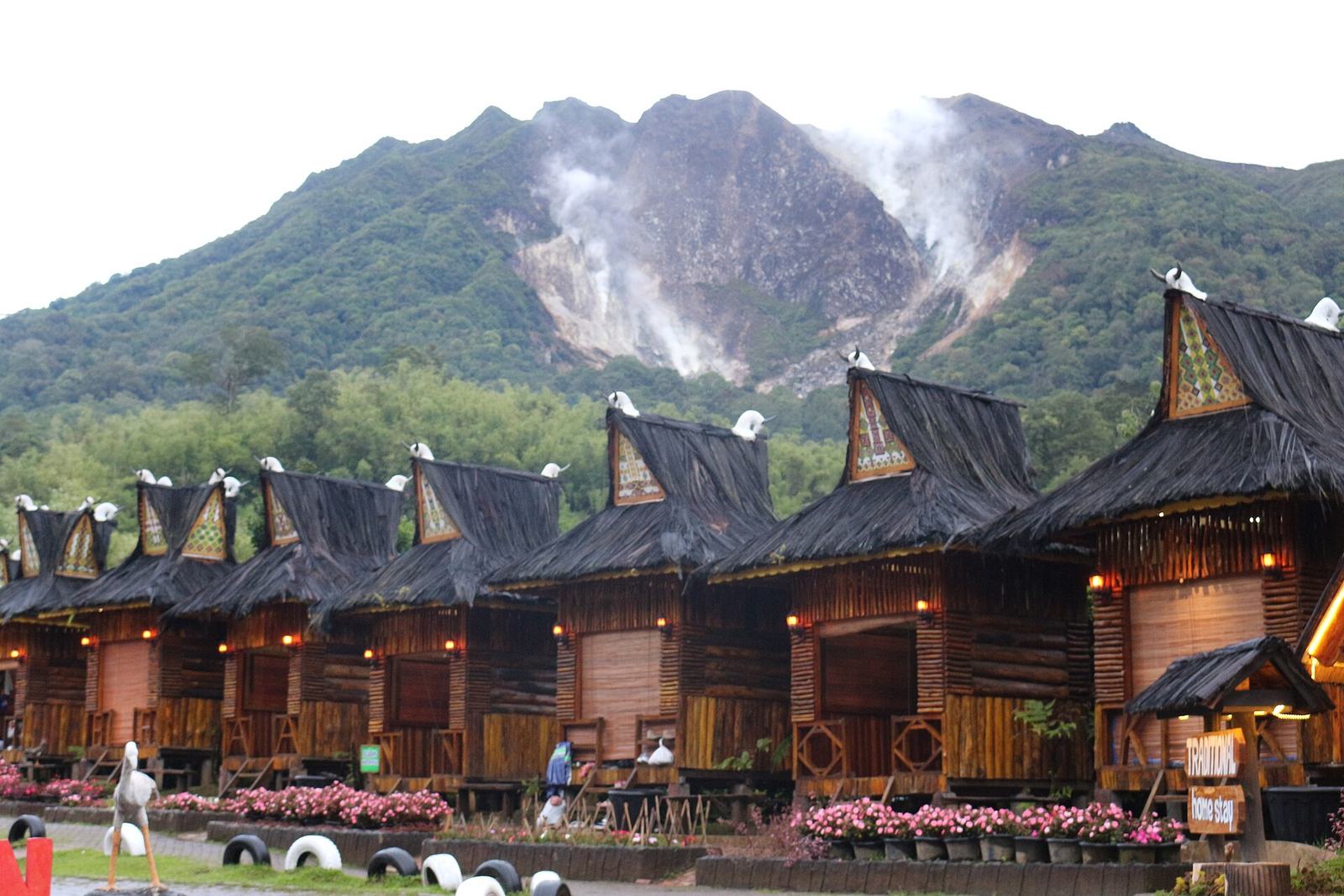 Foto: Mulai Adil Saragih · Wikimedia Commons · CC BY-SA 4.0 — Sibayak dari Lau Sidebuk-debuk
Air Panas Semangat Gunung & Lau Sidebuk-debuk
📍 Merdeka / BerastagiSulphurous hot pools of about 40–45 °C on the southern slope of Mount Sibayak — a favourite soak after the climb.
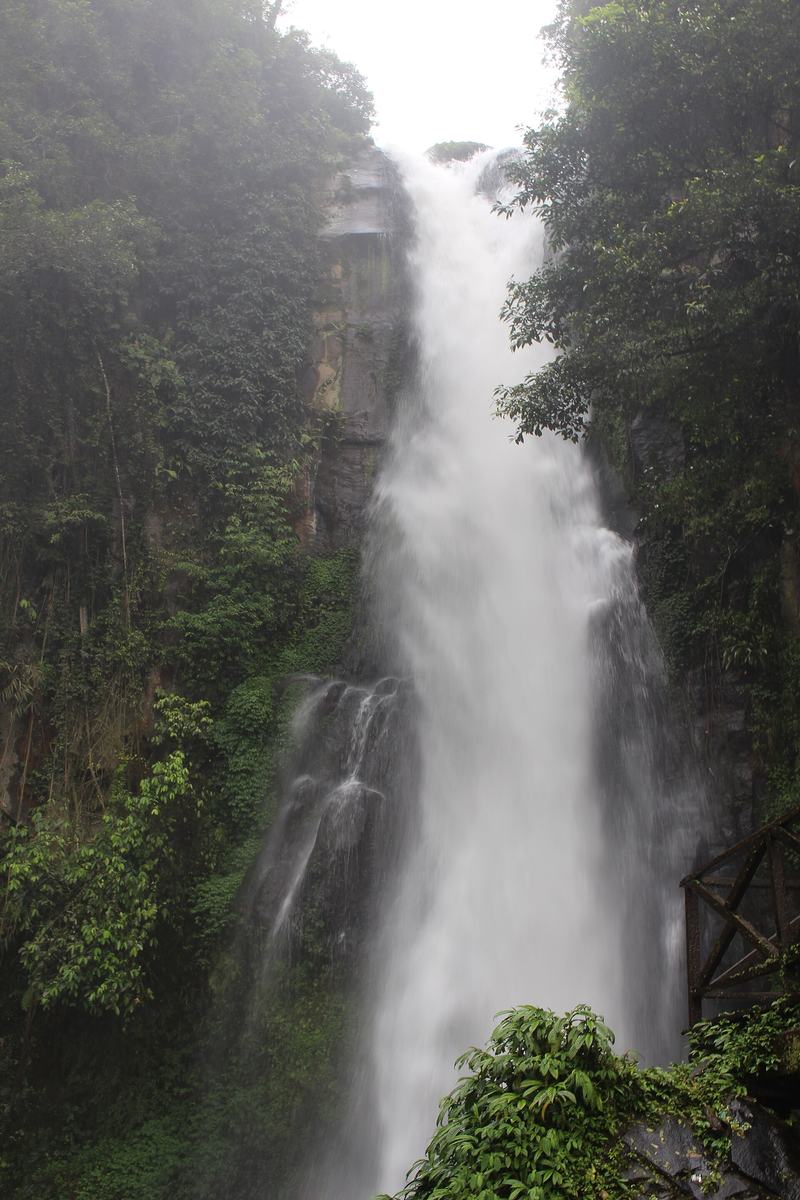 Foto: IHLubis · Wikimedia Commons · CC BY-SA 4.0
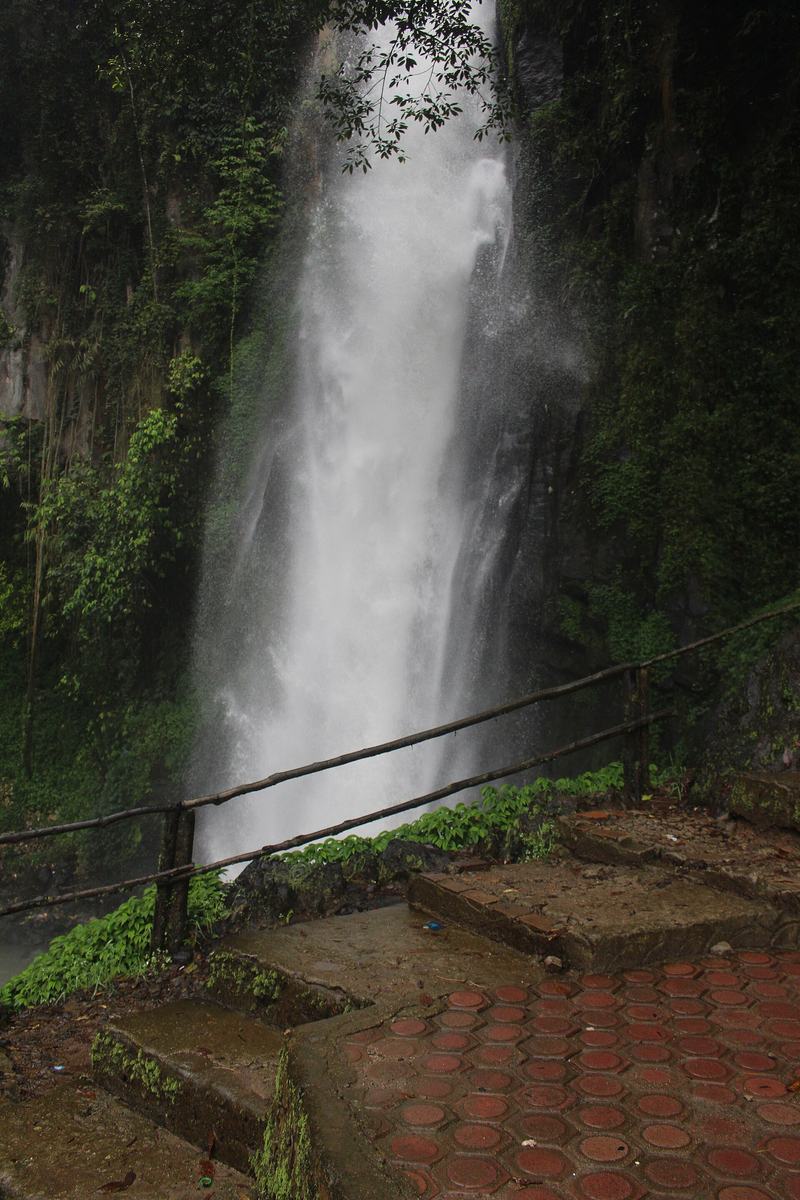 Foto: IHLubis · Wikimedia Commons · CC BY-SA 4.0
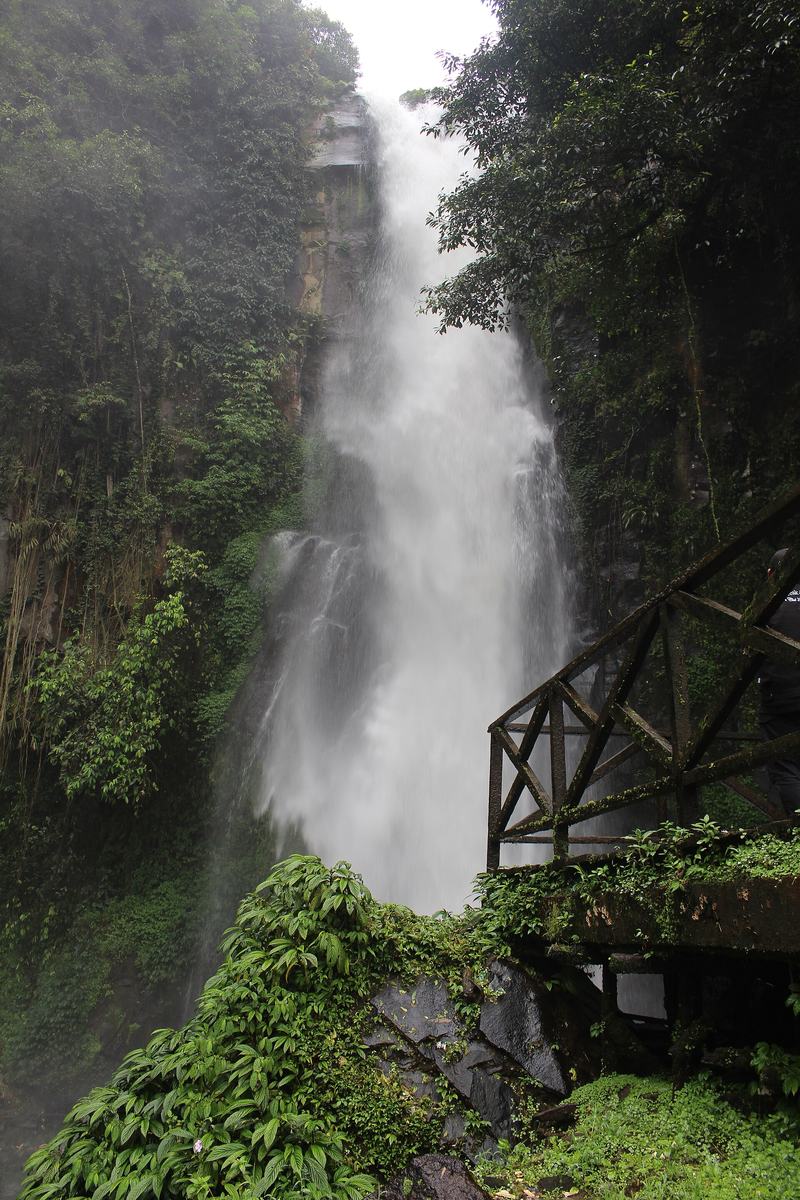 Foto: IHLubis · Wikimedia Commons · CC BY-SA 4.0
Air Terjun Sikulikap
📍 BerastagiA waterfall about 30–40 m high in a forested valley below Penatapan Doulu on the Medan–Berastagi road; a stepped path leads down to it.
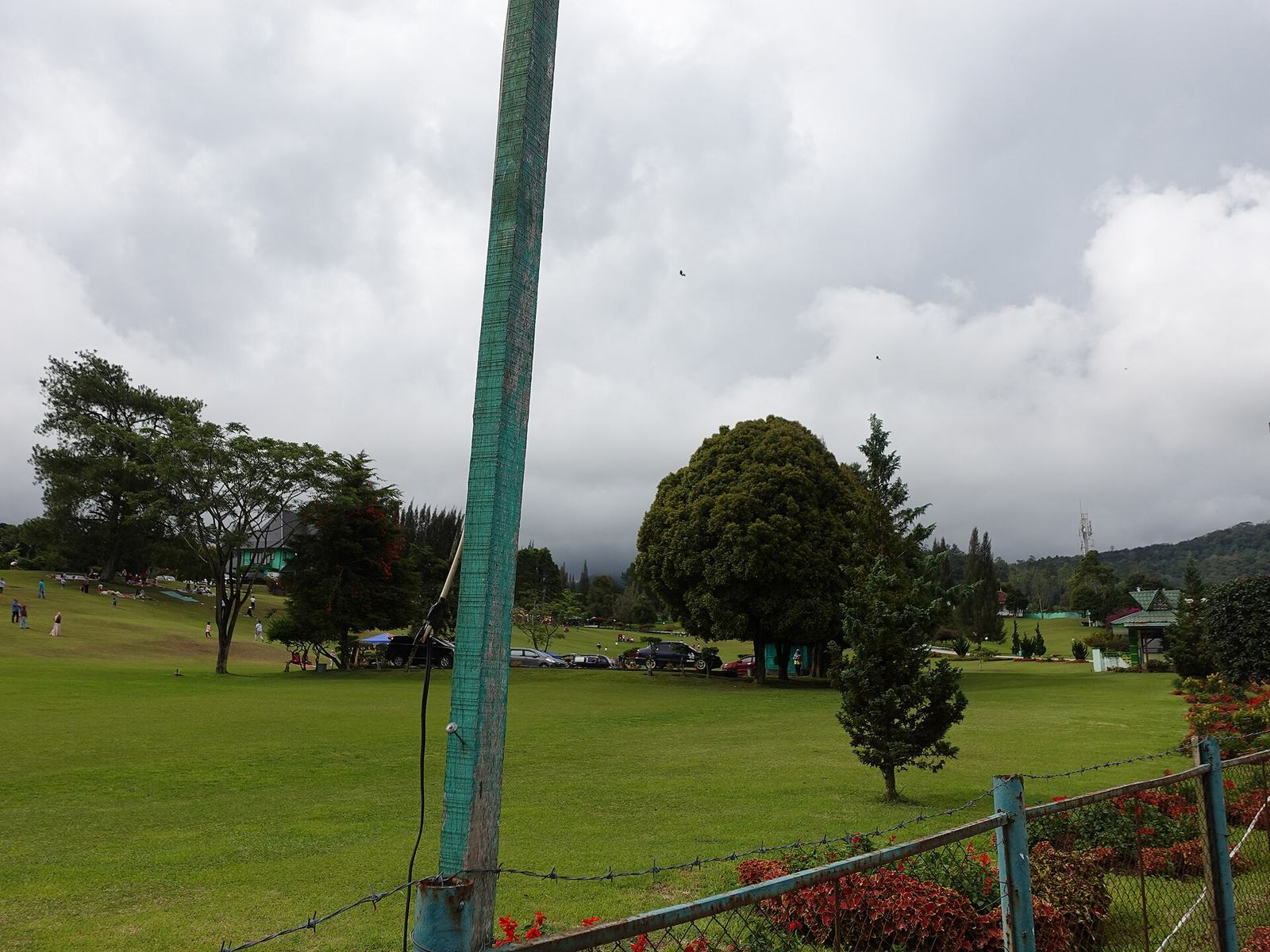 Foto: Astari28 · Wikimedia Commons · CC BY-SA 4.0
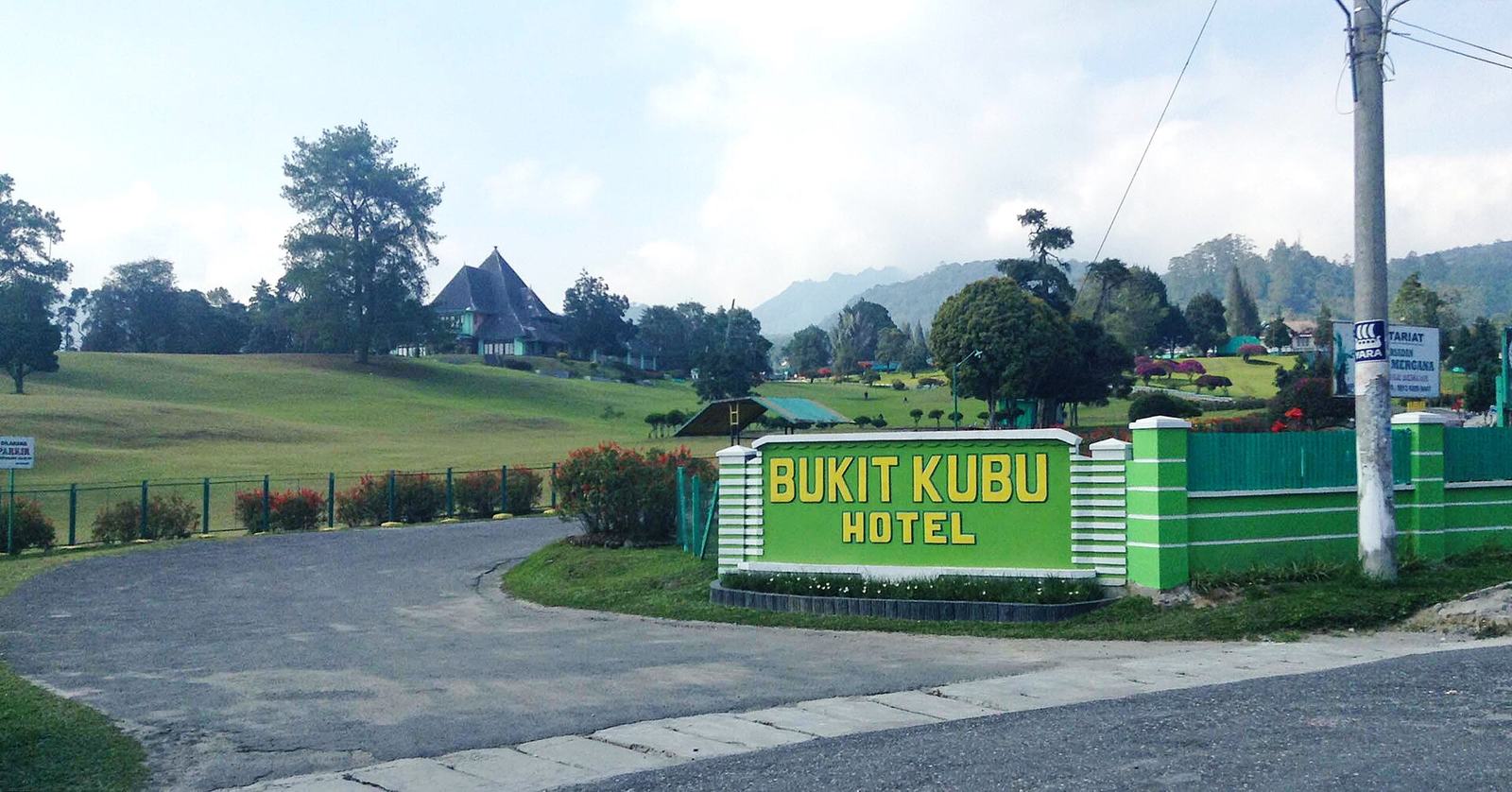 Foto: Christian Advs Sltg · Wikimedia Commons · CC BY-SA 4.0 — hotel tua
Bukit Kubu
📍 BerastagiAbout five hectares of grassland at the entrance to Berastagi, with an old colonial hotel on top — ideal for family picnics and kite flying.
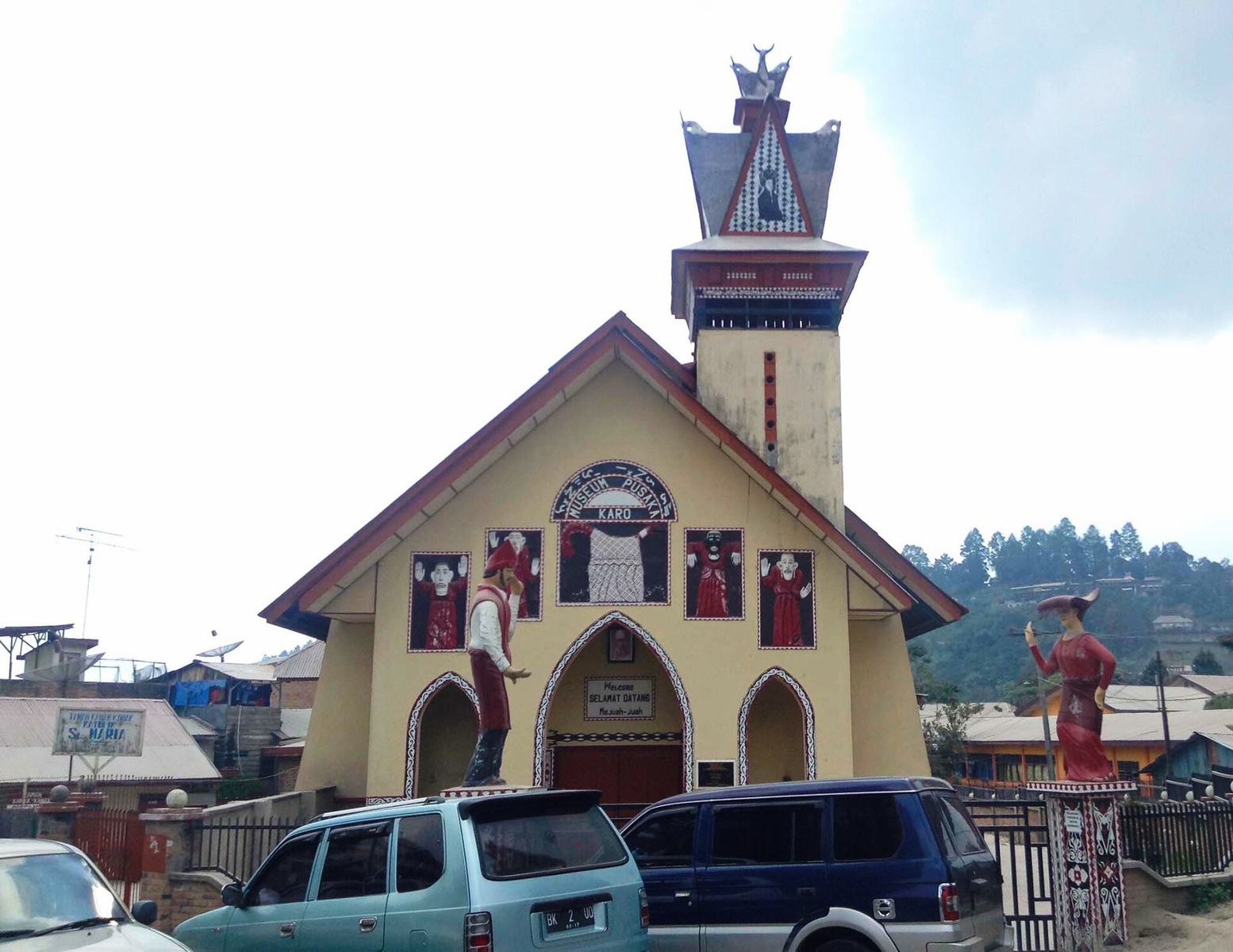 Foto: Christian Advs Sltg · Wikimedia Commons · CC BY-SA 4.0
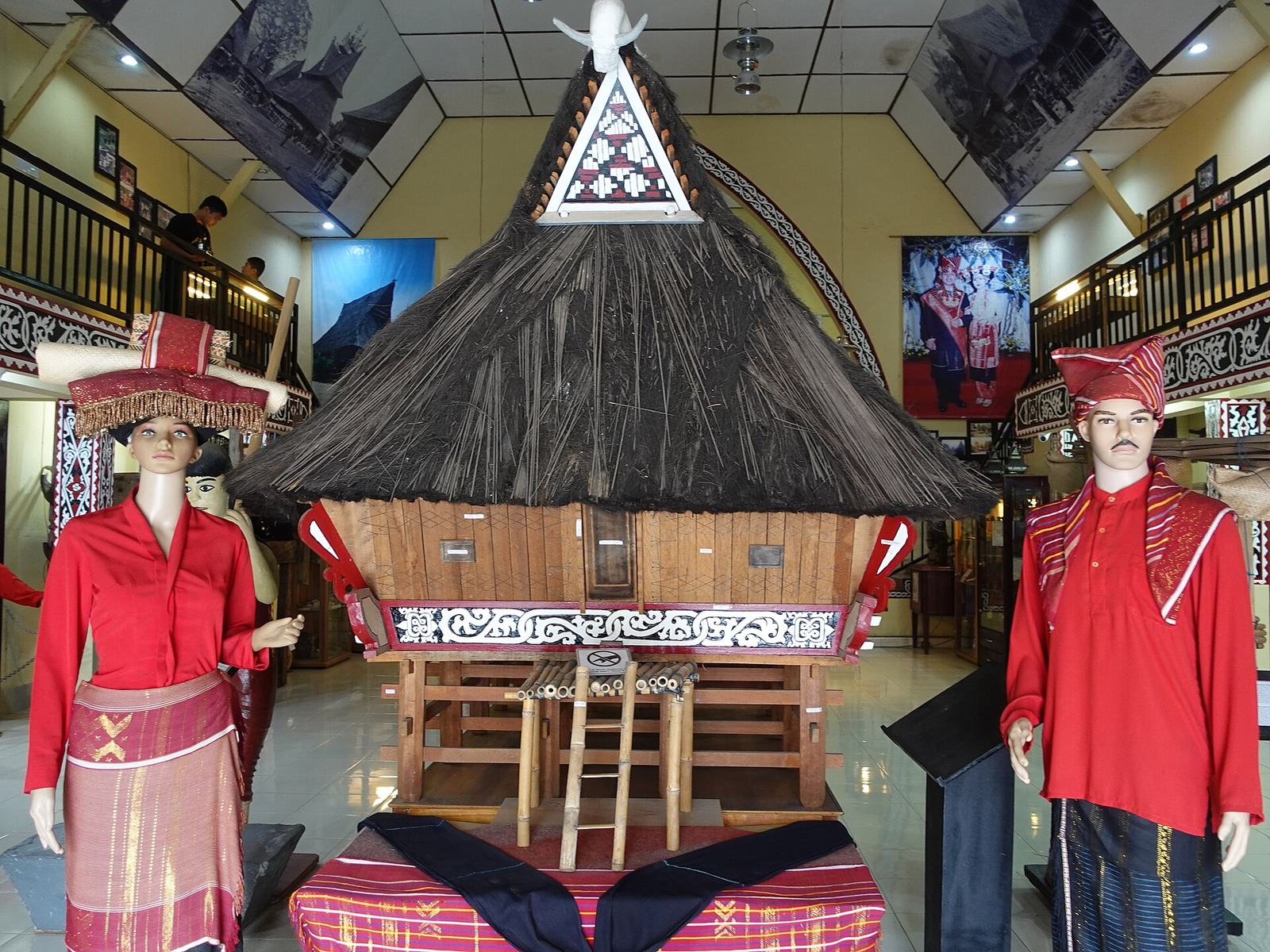 Foto: Astari28 · Wikimedia Commons · CC BY-SA 4.0 — pakaian adat dan replika rumah
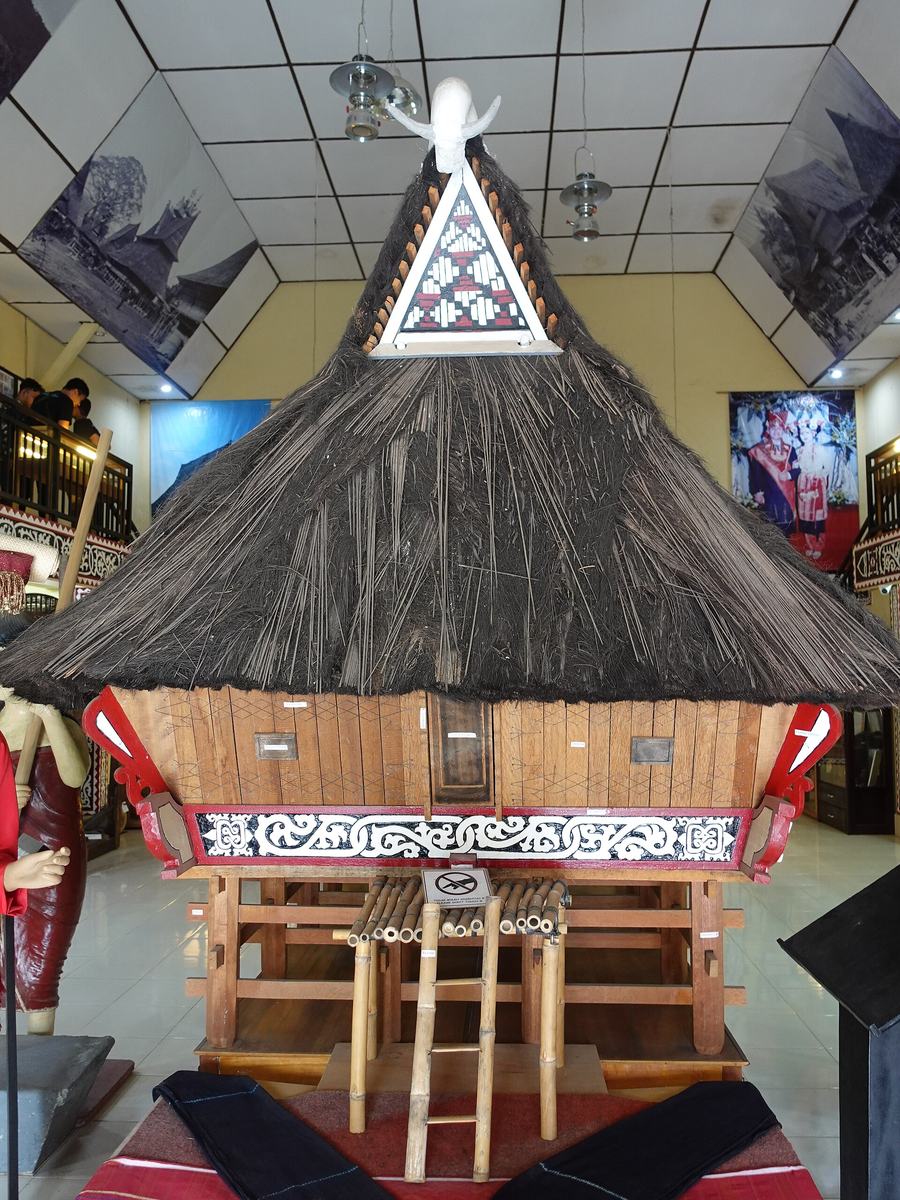 Foto: Astari28 · Wikimedia Commons · CC BY-SA 4.0 — replika rumah adat
Museum Pusaka Karo
📍 BerastagiA museum in the former Catholic Church of St Mary in central Berastagi, holding hundreds of Karo heritage objects.
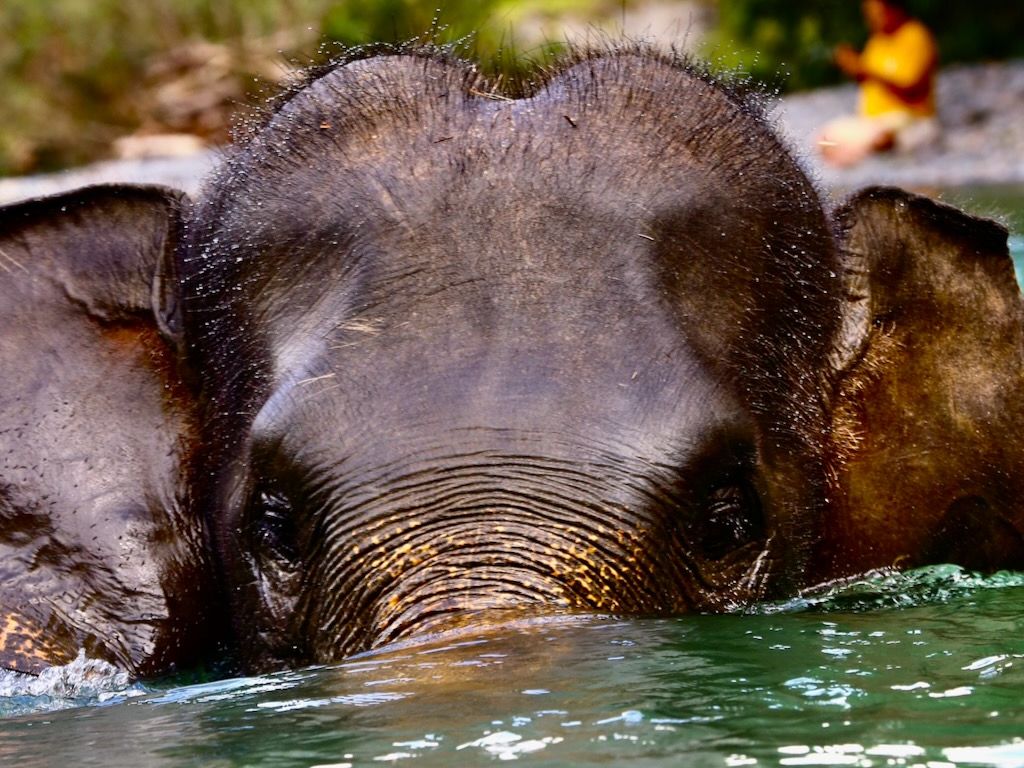 Foto: tangkahan.com
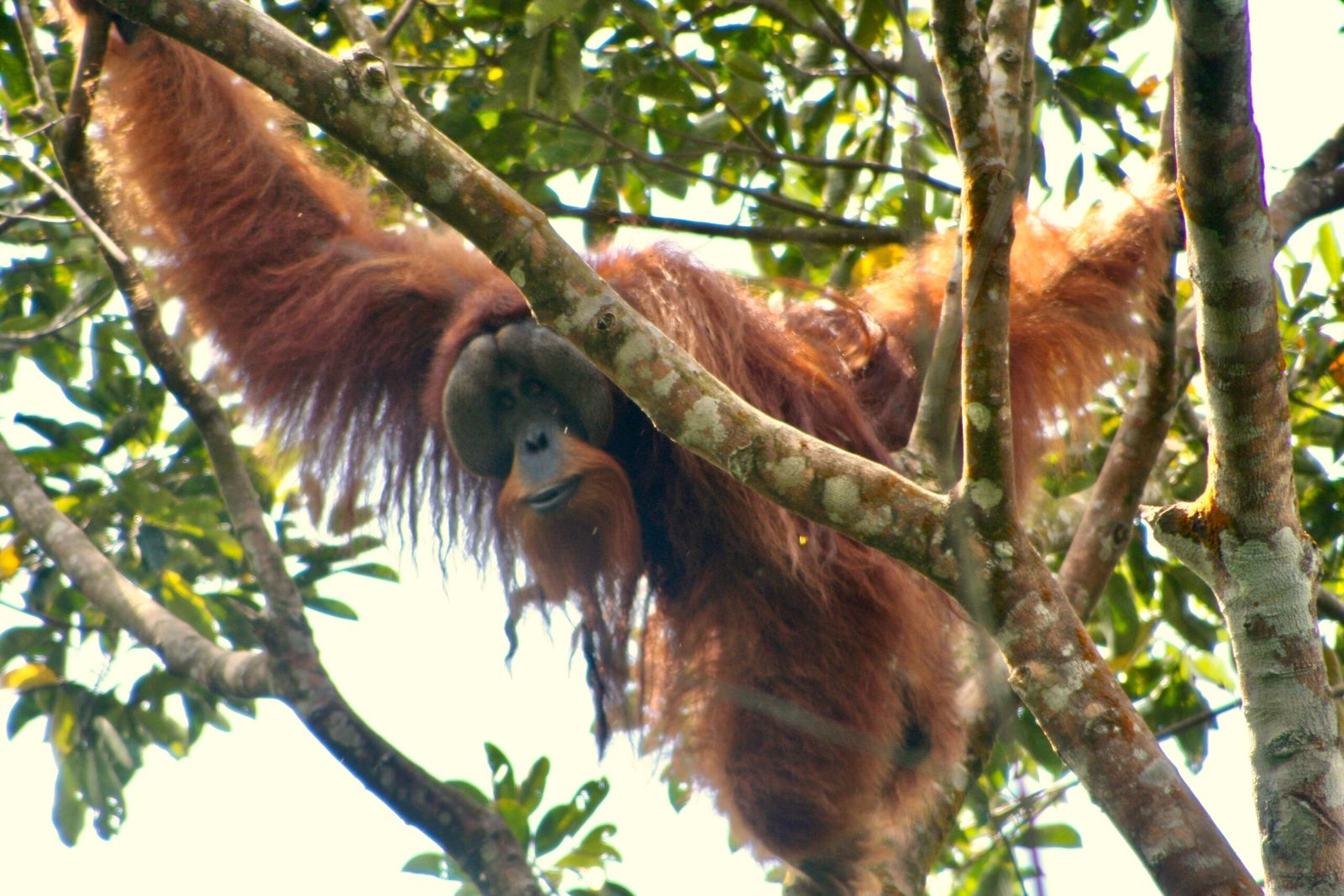 Foto: tangkahan.com — orangutan
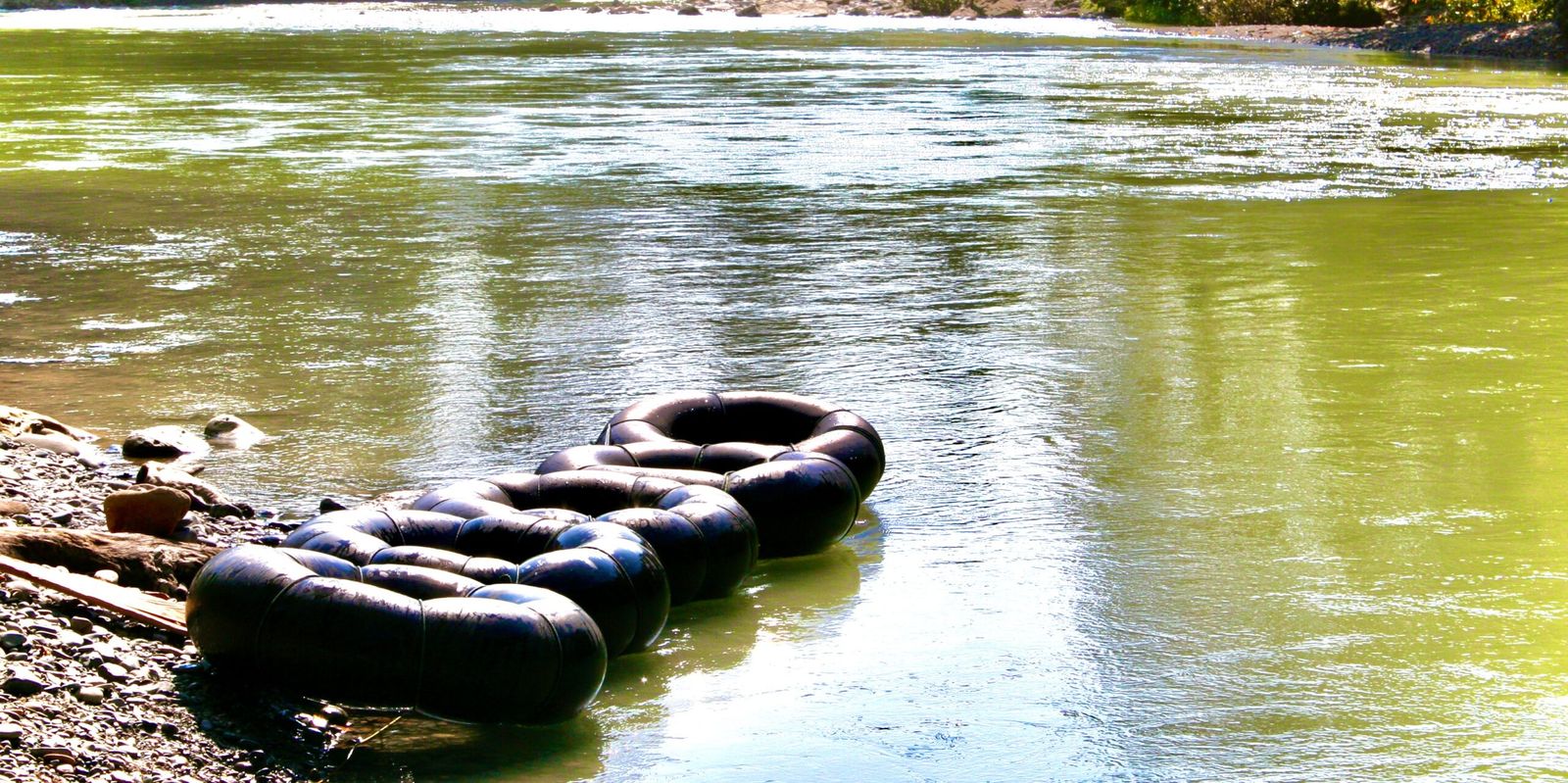 Foto: tangkahan.com — tubing
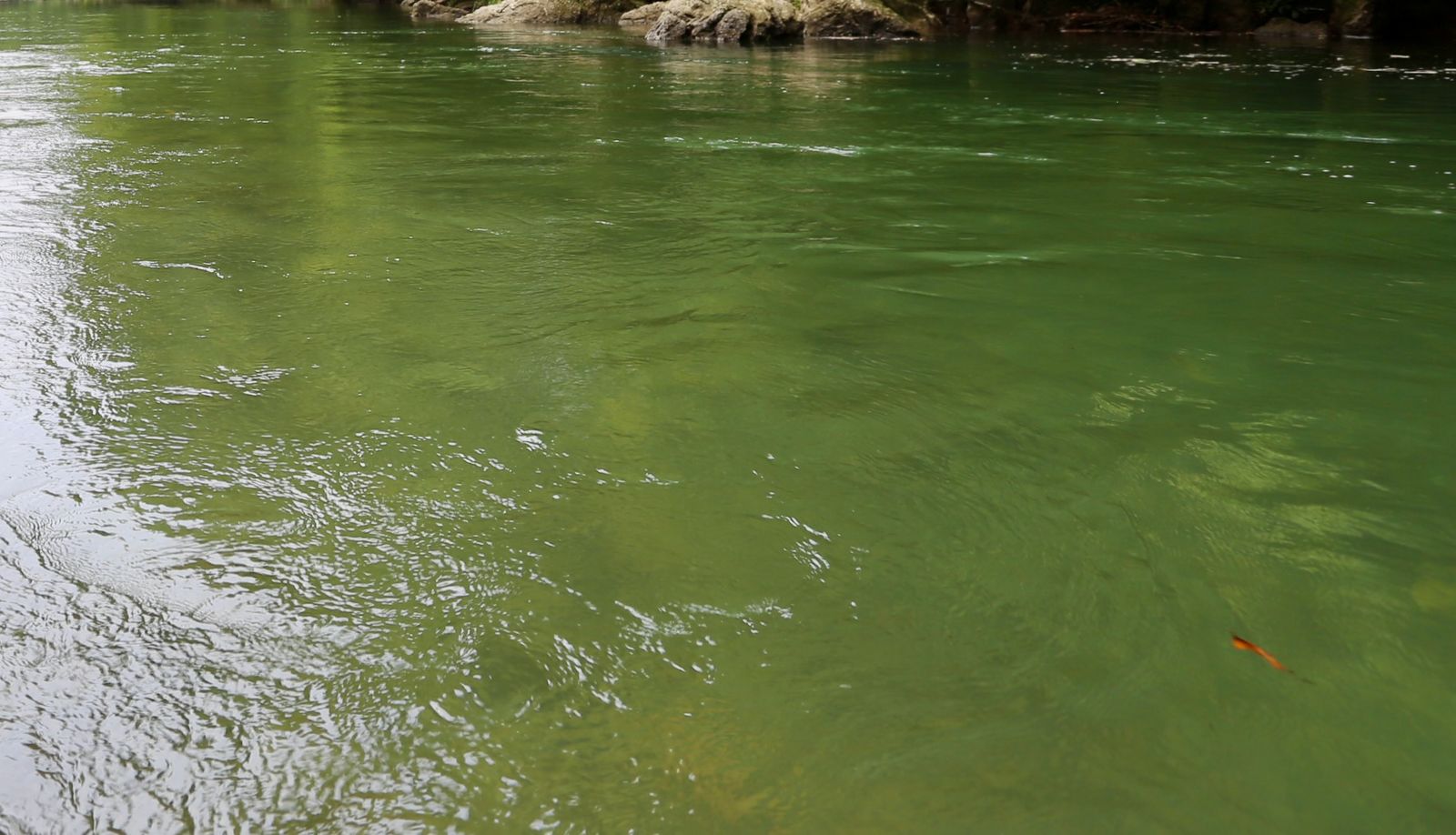 Foto: tangkahan.com
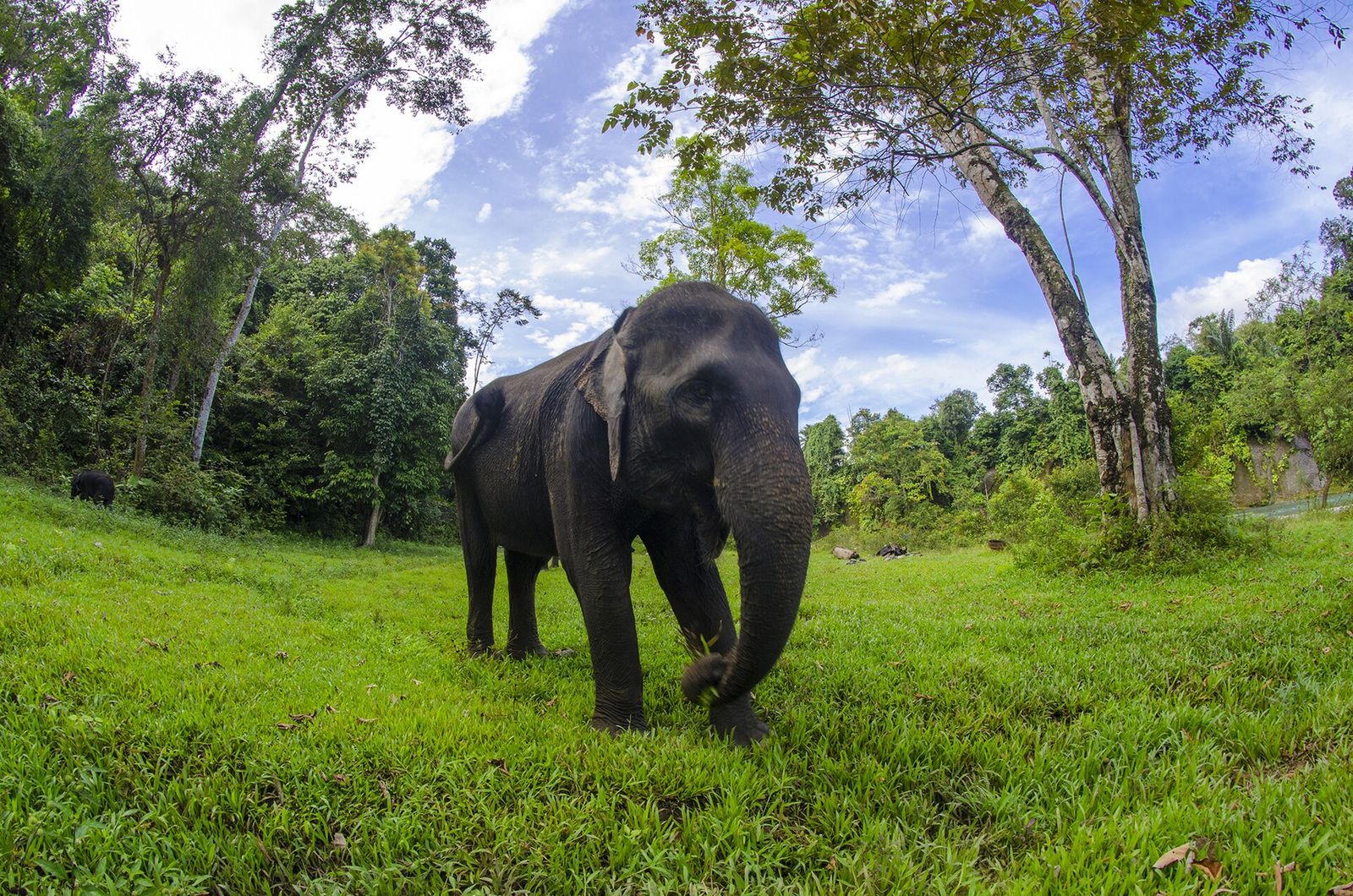 Foto: kusuma wijaya · Wikimedia Commons · CC BY-SA 4.0
Tangkahan
📍 Batang SeranganEco-village on the edge of Gunung Leuser National Park, where the Batang Serangan and Buluh rivers meet. Sumatran elephants are bathed in the river; there is jungle trekking, tubing, waterfalls and hot springs, and wild orangutans live here too.
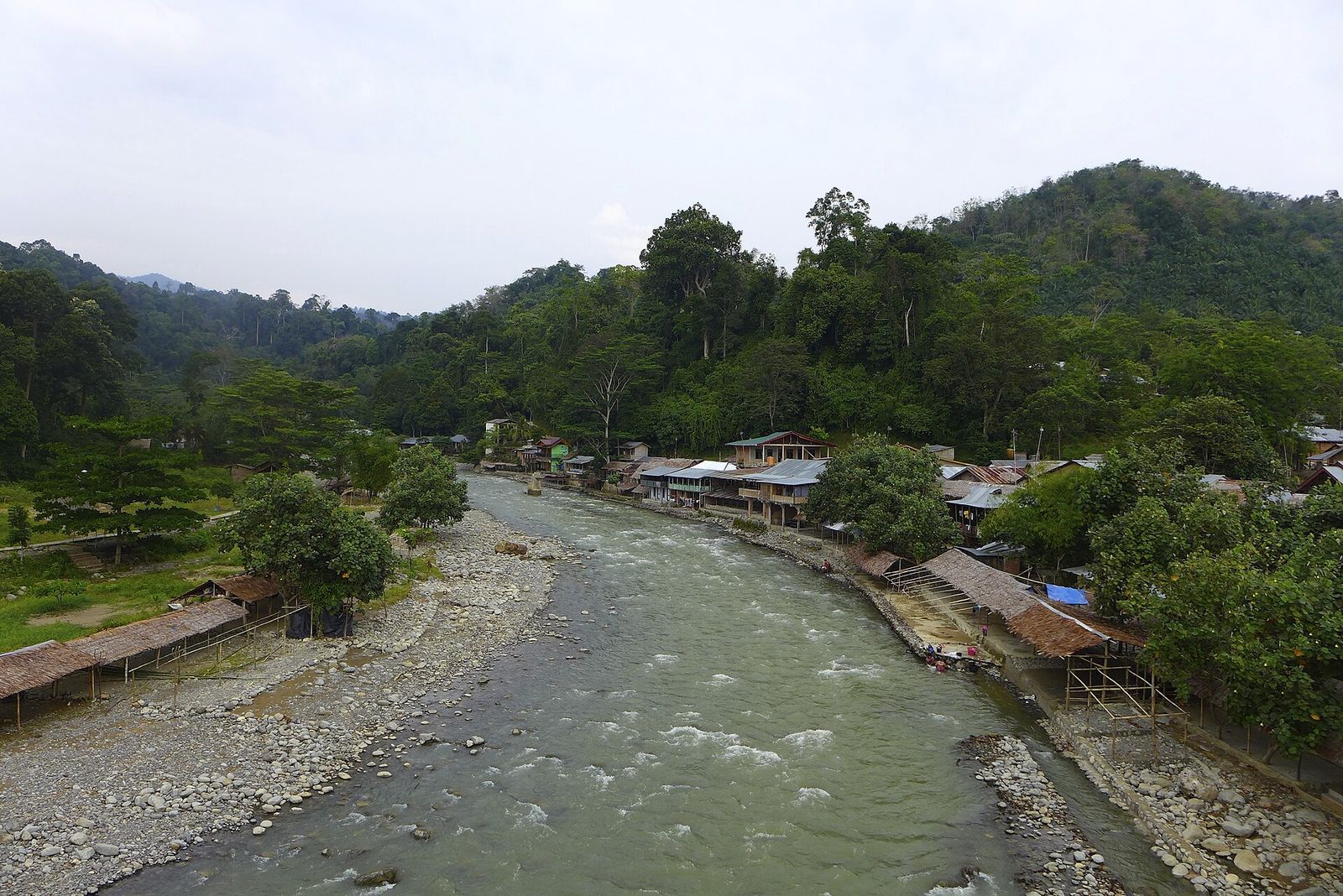 Foto: Madeleine Holland · Wikimedia Commons · CC BY 2.0
Bukit Lawang
📍 BahorokVillage on the Bahorok River, the eastern gateway to Gunung Leuser National Park. An orangutan rehabilitation centre was founded here in 1973; today semi-wild and wild orangutans can be seen on guided treks.
Air Panas Simolap
📍 KutambaruHot spring in Kaperas village, Kutambaru, in upland Langkat on the border with the Karo highlands. Listed among Langkat's attractions together with the Marike cave and waterfall.
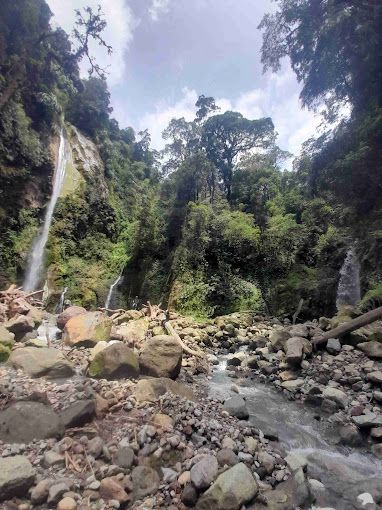 Foto: Sophia Guevara · Wikimedia Commons · CC BY-SA 4.0
Air Terjun Dua Warna
📍 SibolangitWaterfall in the Sibolangit forest with two drops: the first about 50 m with blue-green water, the second about 20 m with clear water. The colour comes from minerals such as sulphur, so the water is not for drinking.
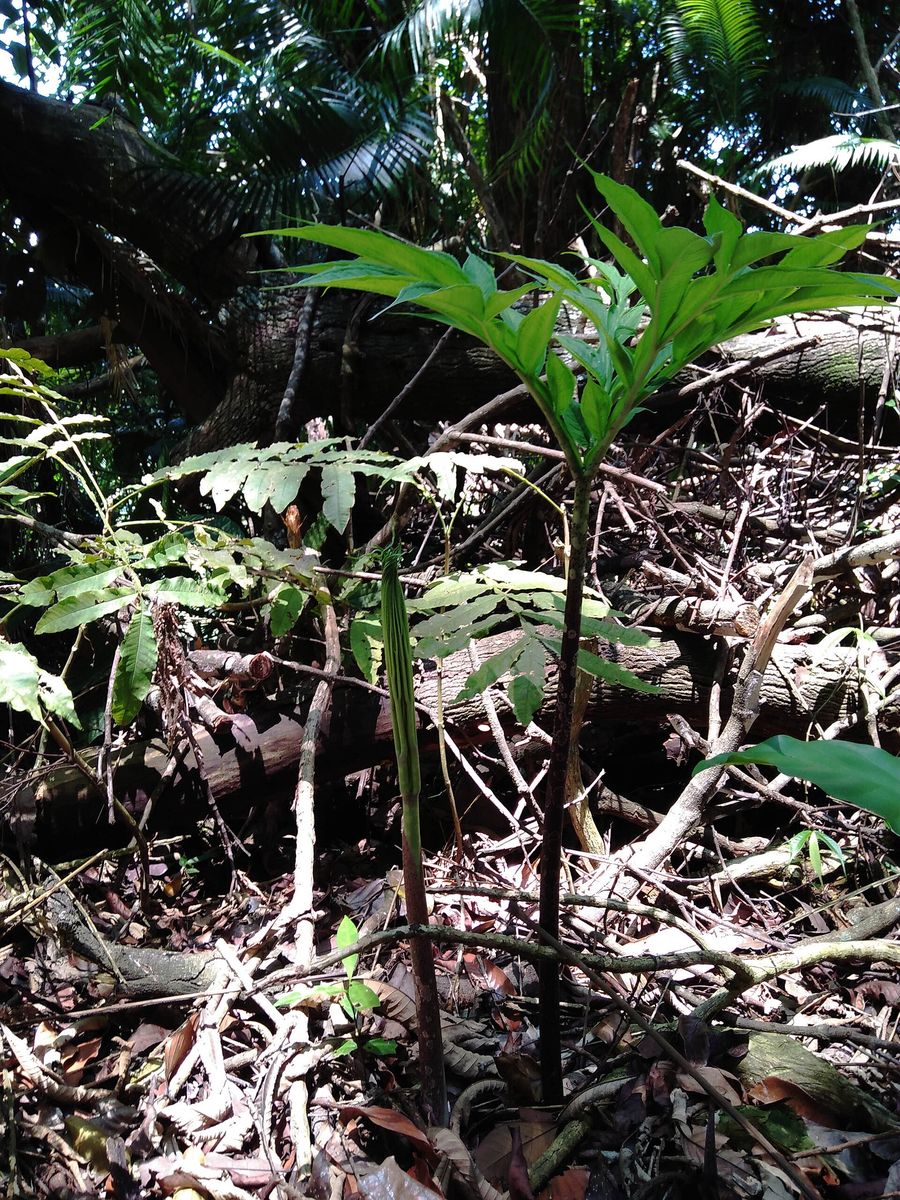 Foto: Restu Berkat Gea · Wikimedia Commons · CC BY-SA 4.0 — daun Amorphophallus titanum
Taman Wisata Alam Sibolangit
📍 SibolangitForest on the Medan–Berastagi road, founded in 1914 as the Sibolangit Botanic Garden, a branch of Bogor Botanic Gardens. Part of it has been a nature park since 1980; the titan arum (Amorphophallus titanum) grows here.
Bumi Perkemahan Pramuka Sibolangit
📍 SibolangitScout campground at the edge of the Sibolangit forest, host of the 2nd National Jamboree in July 1977. Treks to the Dua Warna waterfall also start here.
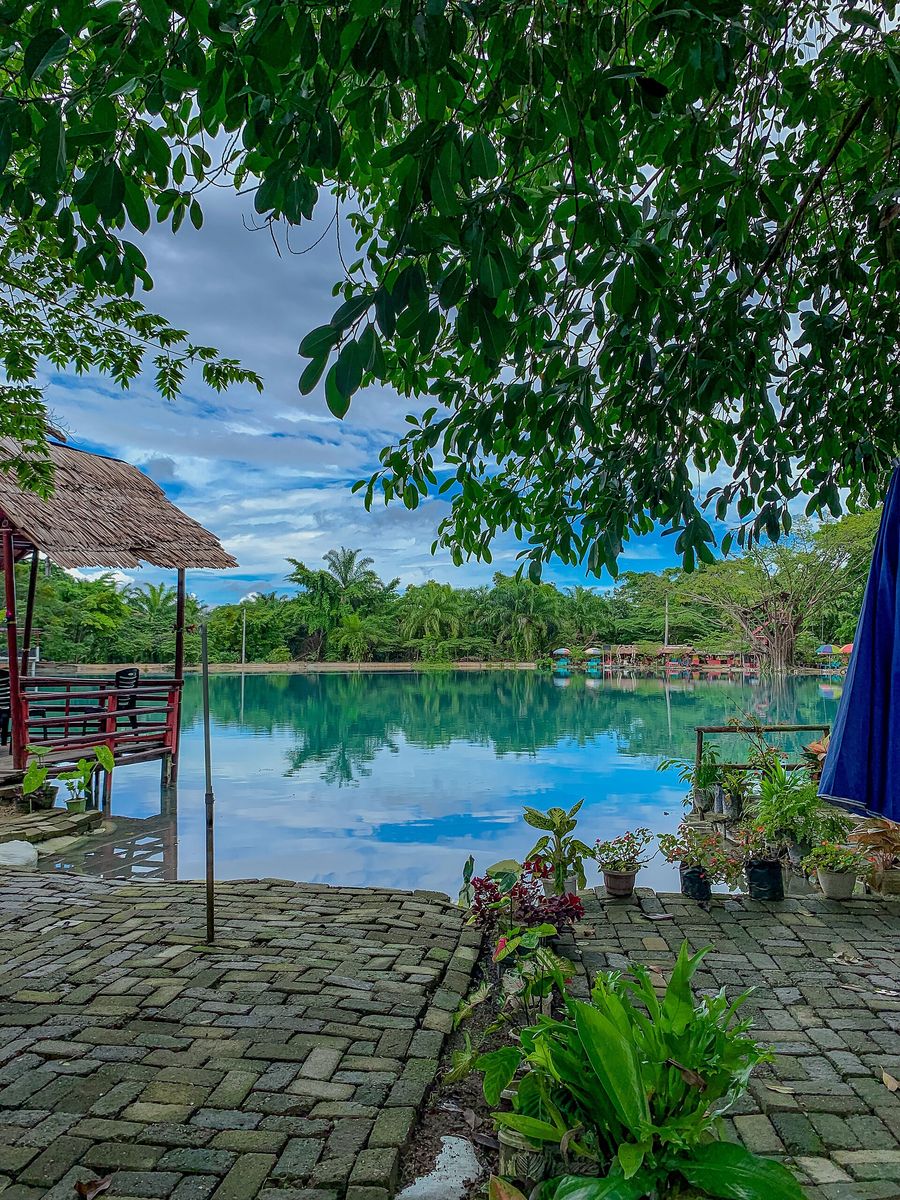 Foto: Sophia Guevara · Wikimedia Commons · CC BY-SA 4.0
Danau Linting
📍 Sinembah Tanjung Muda HuluSmall turquoise lake formed by hydrothermal activity. The sulphur keeps the water warm, around 30 °C. Karo and Simalungun people live in the surrounding area.
Rumah Ladang Pamah Semelir
📍 Sei BingaiLeisure spot with bamboo houses and walkways among the trees in Pamah Semelir hamlet, Telagah village, at the foot of the Bukit Barisan, with places to relax, photo spots and pools; overnight stays possible.
Kolam Abadi Pelaruga
📍 Sei BingaiNatural bathing spot of clear spring-fed pools among rocks, on the Telagah road near Rumah Galuh and the Teroh-teroh waterfall.
Pemandian Sikabung-kabung
📍 SibolangitRocky natural pool with clear, cool spring water in Ujung Deleng, Sibolangit; good for relaxing and camping.